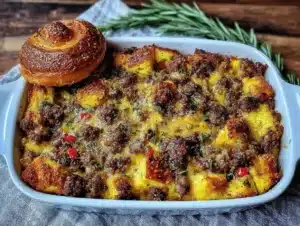
I figured a crustless quiche was just a frittata with a fancy name and less confidence. It took about one bite of this spinach and feta situation, still warm from the oven on a Tuesday morning when I had no business cooking anything, for that assumption to fall apart completely.
The thing is, I wasn’t even trying to develop a recipe. I had a half-empty bag of frozen spinach staring at me from the freezer, a block of feta that was about to hit its expiration date, and a vague memory of a Greek-inspired breakfast my aunt used to throw together after sleepovers. She never measured anything—just cracked eggs, crumbled cheese, and poured it all into a pie dish like it was no big deal. It always came out perfect, which honestly annoyed me as a kid. Now I get it. Some recipes don’t need all the rules.
This one doesn’t either. It’s forgiving in a way that makes you feel like a better cook than you probably are (no offense). The eggs puff up around the tender spinach, the feta melts into salty little pockets, and there’s no crust to stress over or waste calories on. It’s the kind of breakfast that feels like a real meal but takes about ten minutes of actual effort. I’ve made it for lazy Sundays, frantic weekday mornings, and once for a brunch where I pretended I had it all together. Nobody guessed otherwise.
So here it is—my version of that no-fuss, no-crust, all-flavor breakfast casserole. It’s the one that stuck.
Why You’ll Love This Recipe
Let’s be honest—most breakfast casseroles are a project. You’re soaking bread overnight, browning sausage, shredding cheese, and by the time you’re done, you’ve used every dish in the kitchen. This one flips that script entirely. It’s the kind of recipe you’ll memorize after making it once, and that’s not an exaggeration.
- Quick & Easy : Comes together in about 10 minutes of active prep. The oven does the rest. Perfect for those mornings when you want something substantial but don’t have the energy for a production.
- Simple Ingredients : Eggs, milk, spinach, feta, onion, garlic, salt, pepper. That’s it. No fancy grocery trips, no hunting down obscure cheeses at a specialty market. You probably have most of this right now.
- Perfect for Meal Prep : Make it on Sunday, eat it all week. It reheats beautifully, which is rare for egg dishes. I’ve even eaten it cold straight from the fridge, and I’m not ashamed to admit it.
- Crowd-Pleaser : I’ve served this to picky kids, health-conscious friends, and my dad who claims he doesn’t like “green stuff in his eggs.” Every single one of them went back for seconds.
- Unbelievably Delicious : The texture is what gets you. It’s light but satisfying, with those little bursts of salty feta and tender spinach in every bite. It doesn’t taste like a compromise—it tastes like the real thing.
What makes this recipe different from the dozens of other crustless spinach feta casseroles out there? It’s the ratio. I tested this at least six times to get the egg-to-feta balance just right. Too much feta and it’s overpowering; too little and you’re left wondering where the flavor went. The onions get a quick saute before they go in, which makes a bigger difference than you’d think. No raw onion crunch, just sweet, mellow flavor woven through the whole dish.
This isn’t just a good recipe for a crustless casserole. It’s the kind of breakfast that makes you close your eyes after the first bite, even if you’re just standing at the kitchen counter in your pajamas. It’s comfort food reimagined—lighter, faster, but with the same soul-soothing satisfaction. Perfect for impressing brunch guests without breaking a sweat, or turning a random Tuesday morning into something quietly special.
What Ingredients You Will Need
This recipe relies on simple, wholesome ingredients that work together to create something genuinely satisfying. No weird additives, no lengthy ingredient list that makes you question your life choices. Just good food that happens to come together quickly.
- Large eggs (10) – The foundation of the whole dish. Room temperature eggs blend more smoothly and give you a fluffier texture. If you forget to take them out ahead of time, place them in a bowl of warm water for 5 minutes.
- Whole milk (1 cup / 240 ml) – Adds richness without making things heavy. You can substitute half-and-half for an even creamier result, or use 2% milk if that’s what you have. I wouldn’t go skim here—the texture suffers.
- Frozen chopped spinach (10 oz / 283 g), thawed and squeezed dry – This is the most important step. If you don’t squeeze the spinach well, you’ll end up with a watery casserole. I use my hands and really wring it out over the sink. You’ll be shocked at how much liquid comes out.
- Feta cheese (6 oz / 170 g), crumbled – Buy a block and crumble it yourself if you can. Pre-crumbled feta has anti-caking agents that prevent it from melting as nicely. I like a sheep’s milk feta for its tangy, creamy profile, but cow’s milk feta works fine too.
- Yellow onion (1 medium, about 150 g), diced – A quick saute mellows the sharpness and adds sweetness. Red onion works in a pinch, but yellow is my go-to for its balanced flavor.
- Garlic (3 cloves), minced – Fresh garlic makes a difference here. Don’t use the jarred stuff—it’s watery and lacks punch. If you’re in a rush, you can skip it, but honestly, it’s worth the extra 30 seconds.
- Olive oil (2 tablespoons / 30 ml) – For sauteing the onion and garlic. Extra virgin is fine, but a light olive oil works too. You could also use butter if you want a richer flavor.
- Salt (½ teaspoon / 3 g) – I use fine sea salt. Adjust based on your feta—some brands are saltier than others.
- Black pepper (¼ teaspoon / 1 g) – Freshly ground, always. It makes a difference.
- Optional: Pinch of nutmeg (about ⅛ teaspoon) – This is my secret weapon. Nutmeg and spinach are a classic pairing, and it adds a subtle warmth that makes the casserole feel more complex than it is. Try it once, and you’ll never skip it.
Ingredient Substitutions: For a dairy-free version, use unsweetened oat milk and a dairy-free feta alternative (I like the Violife brand). For a lower-fat option, swap whole milk for 2% and reduce the feta to 4 oz. If you’re gluten-free, good news—this recipe already is. Just double-check your feta brand for any additives.
Equipment Needed
You don’t need a fancy kitchen to pull this off. Here’s what you’ll need:
- 9×13-inch baking dish – Glass or ceramic works best. Metal can work, but you might need to reduce the baking time by a few minutes. I use a Pyrex dish and it’s never let me down.
- Large mixing bowl – Big enough to whisk 10 eggs without splashing. A standard 3-quart bowl is perfect.
- Whisk – A fork works in a pinch, but a whisk gives you a smoother, more uniform egg mixture.
- Medium skillet – For sauteing the onion and garlic. Non-stick makes cleanup easier, but stainless steel works too.
- Cutting board and knife – For dicing the onion and mincing garlic.
- Measuring cups and spoons – I know, obvious. But having them ready saves you from digging through drawers mid-recipe.
- Paper towels or clean kitchen towel – For squeezing the spinach dry. Trust me on this one.
Budget-Friendly Alternatives: No 9×13 dish? Use a 10-inch cast iron skillet or a 2-quart round casserole dish. You’ll just need to adjust the baking time slightly—check for doneness 5 minutes early. No whisk? Two forks held together work surprisingly well. No skillet? Saute the onions in the microwave for 2 minutes, then drain off the liquid.
Preparation Method

This is where the magic happens. Follow these steps, and you’ll be rewarded with a golden, puffed, perfectly set casserole every time.
- Preheat your oven to 375°F (190°C). Place your baking dish inside while it preheats. This helps the eggs start cooking immediately when you pour them in, giving you a better rise.
- Thaw and squeeze the spinach. If you forgot to thaw it overnight, place the frozen block in a microwave-safe bowl and microwave for 2-3 minutes, breaking it apart halfway through. Let it cool enough to handle, then transfer to a clean kitchen towel or several layers of paper towels. Gather the edges and twist, squeezing out as much liquid as humanly possible. You should end up with a dry, compact ball of spinach. Set aside.
- Saute the aromatics. Heat 2 tablespoons of olive oil in your skillet over medium heat. Add the diced onion and cook, stirring occasionally, until translucent and soft—about 4-5 minutes. Add the minced garlic and cook for another 30 seconds until fragrant. Don’t let the garlic brown; it turns bitter. Remove from heat and let cool slightly.
- Whisk the eggs and milk. In your large mixing bowl, crack all 10 eggs. Add the milk, salt, pepper, and nutmeg if using. Whisk vigorously until the mixture is uniform and slightly frothy—about 45 seconds of solid whisking. You want the yolks and whites fully incorporated.
- Combine everything. Add the squeezed spinach to the egg mixture, breaking it up with your fingers as you drop it in. Add the sauteed onion and garlic. Add the crumbled feta, reserving about ¼ cup for the top. Stir gently with a spatula until everything is evenly distributed. The feta will sink a bit, and that’s fine—you want some on top for a pretty finish.
- Pour into the prepared dish. Carefully remove the hot baking dish from the oven (use oven mitts!). Give the egg mixture one last stir, then pour it into the dish. Sprinkle the reserved feta evenly over the top.
- Bake. Place the dish in the oven and bake for 30-35 minutes. At 30 minutes, check for doneness: the center should be just set with a slight jiggle. A knife inserted near the center should come out clean. If it’s still very jiggly, give it 5 more minutes. The edges will be golden and pulling away from the sides slightly.
- Rest before serving. This is crucial. Let the casserole rest on a wire rack for at least 10 minutes before cutting. It continues to cook from residual heat, and it firms up as it cools. Cutting too early gives you a messy, watery slice.
Sensory cues: When it’s done, the top should be golden brown in spots, and the whole thing will have puffed up like a soufflé. It will deflate slightly as it cools—that’s normal. The aroma is incredible: savory, eggy, with that hint of garlic and feta.
Cooking Tips & Techniques
I’ve made this recipe more times than I can count, and I’ve learned a few things the hard way. Here’s what I wish someone had told me.
Don’t skip the squeeze. The first time I made this, I was in a hurry and only pressed the spinach lightly with a paper towel. The casserole turned out watery and sad. Frozen spinach holds an absurd amount of water, and if you don’t get it out, it’ll steam your eggs instead of letting them set properly. Squeeze until you think it’s dry, then squeeze again. Your future self will thank you.
Room temperature eggs matter. Cold eggs straight from the fridge can make the milk seize up and give you a denser texture. If you’re short on time, place the eggs in a bowl of warm water for 5 minutes before cracking them. It’s a small step that makes a noticeable difference in fluffiness.
Watch the salt. Feta is naturally salty, so don’t go overboard with additional salt. I start with ½ teaspoon and taste the egg mixture (yes, raw egg—live dangerously) before adding more. If your feta is particularly briny, you might only need ¼ teaspoon.
My biggest failure: I once tried to double this recipe and bake it in a roasting pan. The edges were overcooked and the center was still liquid after 45 minutes. Lesson learned: stick to a 9×13 dish and don’t overcrowd. If you need more, make two batches. It’s faster anyway.
Timing strategy: While the onions are sauteing, whisk the eggs. While the eggs rest, squeeze the spinach. While the casserole bakes, clean up your mess. You’ll be done washing dishes by the time it’s ready to eat. That’s efficiency I can get behind.
Variations & Adaptations
This recipe is a blank canvas. Once you’ve mastered the base, feel free to experiment. Here are some of my favorite variations.
- Add protein: Cooked and crumbled breakfast sausage, crispy bacon bits, or diced ham are all excellent additions. Add about ½ cup to the egg mixture before baking. If you’re using something salty like bacon, reduce the added salt.
- Cheese swap: Not a feta fan? Substitute crumbled goat cheese for a tangy twist, or use shredded sharp cheddar for a more traditional flavor. I’ve also used crumbled cotija, which is similar to feta but milder.
- Veggie boost: Sauteed mushrooms, roasted red peppers, or chopped sun-dried tomatoes all work beautifully. Just make sure any watery vegetables are cooked down first. Mushrooms especially need to release their liquid before they go in.
- Herb it up: Fresh dill is a natural pairing with feta and spinach. Add 2 tablespoons of chopped fresh dill to the egg mixture. Fresh chives or parsley work too. Dried herbs? Use half the amount and add them to the sauteing onions.
- Dairy-free adaptation: Use unsweetened oat milk or almond milk, and replace the feta with a dairy-free alternative. I’ve tested this with Kite Hill brand almond milk ricotta and it was surprisingly good—just a bit softer in texture.
- Spice it up: Add a pinch of red pepper flakes or a diced jalapeño (seeds removed) to the sauteing onions. The heat cuts through the richness beautifully.
I once made a version with caramelized onions, goat cheese, and fresh thyme for a fancy brunch. It was incredible, but honestly, I still prefer the original for everyday eating. Sometimes simple really is best.
Serving & Storage Suggestions
This casserole is versatile enough for any meal, not just breakfast. Here’s how to serve and store it.
Serving: Let the casserole rest for 10 minutes after baking, then cut into squares. Serve warm or at room temperature. I like it with a side of fresh fruit or a simple arugula salad dressed with lemon vinaigrette. A dollop of Greek yogurt or a drizzle of hot honey on top takes it to another level. For drinks, it pairs beautifully with a bright, citrusy mimosa or a strong cup of black coffee.
Storage: Leftovers keep well in the refrigerator for up to 4 days. Store in an airtight container, or cover the baking dish tightly with foil. The flavors actually meld and improve overnight—I often think day two is even better than day one.
Freezing: This casserole freezes beautifully. Let it cool completely, then cut into individual portions. Wrap each piece tightly in plastic wrap, then place in a freezer-safe bag or container. Freeze for up to 3 months. To reheat, thaw overnight in the refrigerator, then microwave for 1-2 minutes or reheat in a 350°F oven for 10-15 minutes.
Reheating: The microwave works in a pinch (about 45 seconds per slice), but the oven gives you better texture. Place slices on a baking sheet and warm at 350°F for 8-10 minutes. The edges get slightly crispy, which I personally love.
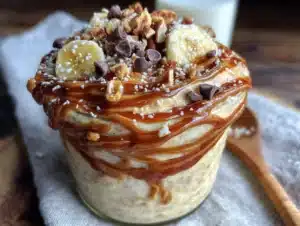
If you’re looking for other make-ahead breakfast ideas, you might also enjoy these easy mason jar blueberry compote overnight oats for busy mornings. They’re a completely different vibe but equally convenient.
Nutritional Information & Benefits
This casserole is packed with protein and nutrients, making it a smart choice for a satisfying breakfast or brunch.
Estimated nutritional values per serving (based on 6 servings):
- Calories: 285
- Protein: 22g
- Fat: 19g
- Carbohydrates: 6g
- Fiber: 2g
- Sugar: 3g
- Sodium: 580mg
Health highlights: Spinach is loaded with iron, vitamin K, and antioxidants. Eggs provide high-quality protein and choline, which supports brain health. Feta is lower in calories and fat than many other cheeses, while still adding plenty of flavor. This recipe is naturally gluten-free and can be made low-carb by using a higher-fat milk or cream.
Dietary considerations: Contains eggs and dairy. For a dairy-free version, see the variations section above. If you’re watching sodium, use a low-sodium feta or reduce the added salt. This recipe is vegetarian-friendly as written.
I personally love that this casserole keeps me full for hours without that heavy, sluggish feeling you get from some breakfast dishes. It’s fuel that actually tastes good.
Conclusion
This easy crustless spinach and feta breakfast casserole is proof that you don’t need a complicated recipe or a long list of ingredients to make something genuinely delicious. It’s simple, forgiving, and adaptable—the kind of dish that becomes a regular in your rotation because it just works.
I’ve shared this recipe with friends, family, and even a few skeptical coworkers, and every single time, someone asks for the recipe. That’s the highest compliment, isn’t it? When something is so good that people want to make it themselves.
I hope you give this a try, and I hope you make it your own. Add your favorite veggies, swap the cheese, throw in some bacon—whatever feels right. Cooking should be fun, not stressful. And this recipe is nothing if not stress-free.
If you make it, I’d love to hear how it turned out. Drop a comment below, tag me in your photos, or just send a quick note. And if you’re looking for another easy, crowd-pleasing breakfast, check out these fresh strawberry Greek yogurt parfait cups for a no-cook option that’s just as satisfying. Happy cooking, friends!
Frequently Asked Questions
Can I use fresh spinach instead of frozen?
Yes, but you’ll need to cook it down first. About 10 oz of fresh spinach will wilt down to roughly the same amount as frozen. Saute it in the skillet with a little olive oil until wilted, then let it cool and squeeze out the excess liquid just like you would with frozen.
Can I make this casserole ahead of time?
Absolutely. You can assemble the entire casserole the night before, cover it, and refrigerate. In the morning, let it sit on the counter for 20 minutes while the oven preheats, then bake as directed. You may need to add 5-10 minutes to the baking time since it’s starting from cold.
Why did my casserole turn out watery?
This usually happens when the spinach isn’t squeezed dry enough, or the casserole was cut before it had time to rest. Make sure you really wring out that spinach, and always let the casserole rest for at least 10 minutes after baking. If it still seems watery, try reducing the milk by 2 tablespoons next time.
Can I use egg whites instead of whole eggs?
You can substitute up to half the eggs with egg whites, but I wouldn’t recommend using all whites. The yolks provide richness and help the casserole set properly. If you use all whites, the texture will be rubbery and less satisfying. Try 5 whole eggs plus 1 cup of egg whites for a lighter version.
How do I know when the casserole is fully cooked?
The center should be just set with a slight jiggle, and a knife inserted near the center should come out clean. The edges will be golden and pulling away from the sides. If the center still looks liquid, give it 5 more minutes and check again. Remember, it continues to cook as it rests, so don’t overbake it.
Pin This Recipe!

Easy Crustless Spinach Feta Breakfast Casserole Recipe

A simple, forgiving crustless spinach and feta breakfast casserole that comes together in about 10 minutes of active prep. Packed with protein and flavor, it’s perfect for meal prep, brunch, or a satisfying weekday breakfast.
- Prep Time: 10 minutes
- Cook Time: 30 minutes
- Total Time: 40 minutes
- Yield: 6 servings 1x
- Category: Breakfast
- Cuisine: American
Ingredients
- 10 large eggs, room temperature
- 1 cup (240 ml) whole milk
- 10 oz (283 g) frozen chopped spinach, thawed and squeezed dry
- 6 oz (170 g) feta cheese, crumbled (reserve 1/4 cup for topping)
- 1 medium yellow onion (about 150 g), diced
- 3 cloves garlic, minced
- 2 tablespoons (30 ml) olive oil
- 1/2 teaspoon (3 g) fine sea salt
- 1/4 teaspoon (1 g) freshly ground black pepper
- Optional: 1/8 teaspoon nutmeg
Instructions
- Preheat oven to 375°F (190°C). Place a 9×13-inch baking dish inside while preheating.
- Thaw frozen spinach if needed (microwave 2-3 minutes). Squeeze dry using a clean kitchen towel or paper towels until no liquid remains.
- Heat olive oil in a medium skillet over medium heat. Add diced onion and cook until translucent, about 4-5 minutes. Add minced garlic and cook 30 seconds until fragrant. Remove from heat and let cool slightly.
- In a large mixing bowl, whisk together eggs, milk, salt, pepper, and nutmeg (if using) until uniform and slightly frothy, about 45 seconds.
- Add squeezed spinach (breaking it up with fingers), sautéed onion and garlic, and crumbled feta (reserving 1/4 cup). Stir gently with a spatula until evenly distributed.
- Carefully remove hot baking dish from oven. Pour egg mixture into dish and sprinkle reserved feta on top.
- Bake for 30-35 minutes until center is just set with a slight jiggle and a knife inserted near center comes out clean. Edges should be golden and pulling away from sides.
- Let casserole rest on a wire rack for at least 10 minutes before cutting. Serve warm or at room temperature.
Notes
Don’t skip squeezing the spinach dry—it prevents a watery casserole. Room temperature eggs give a fluffier texture. Let the casserole rest 10 minutes before cutting to allow it to set properly. For dairy-free, use unsweetened oat milk and dairy-free feta. Leftovers keep 4 days in the fridge or freeze up to 3 months.
Nutrition
- Serving Size: 1 slice (1/6 of cass
- Calories: 285
- Sugar: 3
- Sodium: 580
- Fat: 19
- Saturated Fat: 8
- Carbohydrates: 6
- Fiber: 2
- Protein: 22
Keywords: crustless spinach feta casserole, breakfast casserole, easy egg casserole, spinach feta bake, gluten-free breakfast, meal prep breakfast