It was 11:47 PM on a random Wednesday, and I had a very specific, almost aggressive craving for lasagna. Not the kind that takes two hours and every pot in your kitchen, but the kind that feels like a warm hug. I didn’t have the usual lasagna noodles, or the energy for a complicated bechamel, but I had a beautiful butternut squash sitting on the counter and a single, slightly crazy idea that arrived out of nowhere.
Honestly, I was just tired. I’d been staring at that squash for three days, feeling guilty about not roasting it. But in that late-night moment, something clicked. I thought, “What if I just… sliced it super thin and used it like pasta?” It felt risky, maybe even a little stupid. But there, in the quiet of my kitchen with only the humming fridge for company, I grabbed my sharpest knife and just went for it. I didn’t have time to second-guess myself.
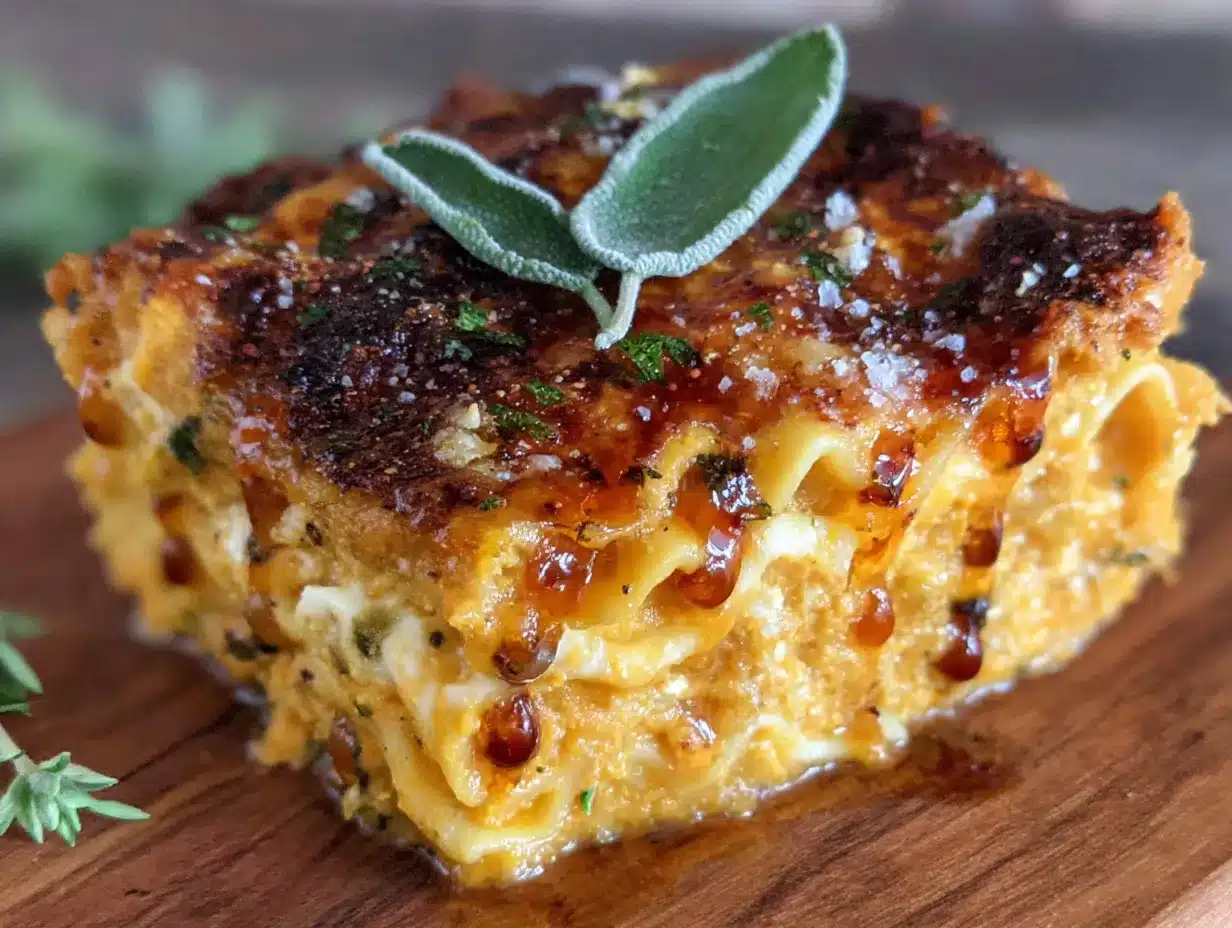
The result was so much better than I expected. The squash got tender and sweet, almost caramelized, and it soaked up the simple sauce and cheese in a way that felt like pure comfort. It was lasagna, but lighter, brighter, and honestly, more satisfying because I didn’t feel like I needed a nap afterward. Maybe you’ve been there, standing in your kitchen late at night, wanting something good but not having the energy for the “real” version. This one-pan butternut squash lasagna is for exactly those nights. It’s the recipe that proved to me that the best cooking sometimes happens when you just stop following the rules.
Why You’ll Love This Recipe
I’ve tested this recipe about seven times since that first late-night experiment, tweaking the thickness of the squash, the amount of sauce, and the perfect cheese blend. What I ended up with is a dish that feels both indulgent and surprisingly light. It’s the kind of recipe I’m genuinely proud to share because it solves so many problems at once.
- Quick & Easy: This comes together in under an hour, with only about 15 minutes of active prep. It’s perfect for a busy weeknight when you want something that feels special without the stress.
- Simple Ingredients: No fancy grocery trips needed. You likely already have the garlic, onion, cheese, and herbs in your kitchen. The star is just a humble butternut squash.
- Perfect for Healthy Comfort Food Cravings: Great for those evenings when you want something warm and cheesy but also want to feel good about what you’re eating. It’s a meal that satisfies both the soul and the body.
- Crowd-Pleaser: I’ve served this to friends who swore they didn’t like squash, and they went back for seconds. The texture is so silky and comforting, it wins everyone over.
- Unbelievably Delicious: The way the roasted squash layers with the creamy ricotta and melty mozzarella is next-level comfort food. The edges get a little crispy, the center stays tender—it’s pure magic.
What makes this recipe different from all the other squash lasagnas out there is the technique. By slicing the squash raw and letting it cook in the pan, you get perfectly tender layers without the need to pre-roast or boil anything. It’s a streamlined process that delivers a cleaner, fresher flavor. This isn’t just another version—it’s the version that makes you close your eyes after the first bite, wondering why you didn’t think of it sooner. It’s comfort food reimagined: healthier, faster, but with the same soul-soothing satisfaction.
What Ingredients You Will Need
This recipe uses simple, wholesome ingredients to deliver bold flavor and satisfying texture without the fuss. Most of these are pantry staples, making it incredibly easy to throw together on a whim.
- Butternut Squash: 1 medium (about 2-2.5 lbs). Look for one with a long neck, as it’s easier to slice into even planks. You’ll peel it and slice it into thin, lasagna-noodle-like sheets, about 1/8-inch thick. (A mandoline slicer is your best friend here for even thickness.)
- Olive Oil: 2 tablespoons, for sautéing the aromatics and drizzling over the top. A good quality extra-virgin olive oil adds a lovely fruity note.
- Onion: 1 medium yellow onion, finely diced. It provides a savory base for the sauce.
- Garlic: 4 cloves, minced. Fresh garlic is non-negotiable here for that pungent, aromatic kick.
- Crushed Tomatoes: 1 can (28 ounces). I prefer San Marzano tomatoes for their sweetness and low acidity. (You can use diced tomatoes, but crush them slightly with a spoon for a better sauce texture.)
- Dried Oregano: 1 teaspoon. It adds a warm, slightly peppery note that pairs beautifully with the squash.
- Salt & Black Pepper: To taste. I use about 1 teaspoon of salt and 1/2 teaspoon of pepper for the sauce.
- Red Pepper Flakes: 1/4 teaspoon (optional). Adds a subtle warmth that doesn’t make it spicy, just more complex.
- Fresh Basil: A handful, roughly chopped, plus more for garnish. It’s stirred into the sauce for a fresh, bright finish.
- Ricotta Cheese: 1 cup (part-skim or whole milk). Look for a creamy, not grainy, ricotta. (For a dairy-free option, use a high-quality cashew-based ricotta.)
- Mozzarella Cheese: 1 1/2 cups, shredded. Low-moisture, part-skim mozzarella melts best and doesn’t make the dish watery.
- Parmesan Cheese: 1/2 cup, freshly grated. Don’t use the stuff in the green can—freshly grated Parm melts into the sauce and adds a salty, nutty depth that’s irreplaceable.
- Fresh Spinach: 2 large handfuls (optional). I love adding a layer of spinach for extra greens. It wilts down beautifully between the squash layers.
Equipment Needed
You don’t need a lot of fancy gear for this one-pan wonder, which is part of its charm.
- Oven-Safe Skillet or Baking Dish: A 10 to 12-inch oven-safe skillet (cast iron or stainless steel) is ideal. If you don’t have one, a standard 9×13-inch baking dish works perfectly too. The key is having a pan that can go from stovetop to oven.
- Sharp Chef’s Knife or Mandoline Slicer: For slicing the butternut squash into thin, even planks. A mandoline makes this job incredibly fast and ensures uniform thickness, but a steady hand and a sharp knife work just fine. I’ve done it both ways, and honestly, the knife gives me more control over the shape.
- Vegetable Peeler: A good, sturdy peeler makes quick work of removing the squash’s tough skin.
- Cutting Board: A large, stable board is essential for prepping the squash and aromatics.
- Wooden Spoon or Spatula: For stirring the sauce and layering the lasagna.
- Measuring Spoons and Cups: For accurate ingredient portions.
Preparation Method
- Preheat and Prep (5 minutes): Preheat your oven to 400°F (200°C). While it’s heating, peel your butternut squash with a vegetable peeler. Cut off the top and bottom, then slice it in half where the bulb meets the neck. Scoop out the seeds from the bulb end. Now, carefully slice the squash into thin planks, about 1/8-inch thick. You want them to be roughly the size of lasagna noodles. (Tip: If your planks are uneven, don’t stress—they’ll still cook perfectly. Just try to keep them as uniform as possible for even layering.)
- Make the Sauce (10 minutes): Place your oven-safe skillet over medium heat and add the olive oil. Once it shimmers, add the diced onion and cook for 4-5 minutes until it’s soft and translucent. Add the minced garlic and cook for another 30 seconds until fragrant—don’t let it burn! Pour in the crushed tomatoes, dried oregano, salt, pepper, and red pepper flakes (if using). Stir everything together, bring it to a gentle simmer, then reduce the heat to low and let it cook for 5 minutes. The sauce will thicken slightly. Turn off the heat and stir in the fresh basil. (Pro tip: Taste the sauce here and adjust the salt. A well-seasoned sauce is the backbone of a great lasagna.)
- Assemble the Lasagna (10 minutes): This is where the magic happens. Start by spreading a thin layer of the tomato sauce (about 1/3 cup) on the bottom of the skillet. Then, create your first layer of butternut squash planks, overlapping them slightly like shingles. Drop small spoonfuls of ricotta cheese over the squash (about 1/3 of the ricotta), then sprinkle a handful of fresh spinach (if using), followed by a generous handful of shredded mozzarella and a sprinkle of Parmesan. Repeat this process: sauce, squash, ricotta, spinach, mozzarella, Parmesan. You should get about 3 to 4 layers, depending on the size of your pan. For the final top layer, spread the remaining sauce over the last of the squash, then top with all the remaining mozzarella and Parmesan. (I like to add a final drizzle of olive oil over the top for extra browning.)
- Bake to Golden Perfection (35-40 minutes): Place the skillet (uncovered) in the preheated oven. Bake for 35-40 minutes, or until the squash is fork-tender and the cheese is melted, bubbly, and golden brown. If the top isn’t as brown as you’d like after 35 minutes, switch the oven to broil for the last 2-3 minutes—watch it carefully so it doesn’t burn! (Sensory cue: You’ll know it’s done when the edges of the squash look slightly caramelized and the sauce is bubbling up around the sides of the pan.)
- Rest and Serve (10 minutes): This is a crucial step! Remove the skillet from the oven and let it rest on a wire rack for at least 10 minutes before slicing. This allows the layers to set, making it much easier to serve clean squares. If you cut into it right away, it will be a soupy mess—trust me, I learned this the hard way. Garnish with fresh basil leaves and an extra crack of black pepper before serving.
Cooking Tips & Techniques
I’ve made a few mistakes with this recipe so you don’t have to. Here are the things I wish I’d known from the start.
- The Squash Thickness is Everything: The number one mistake is slicing the squash too thick. If your planks are thicker than 1/8-inch, they won’t cook through in the same time as the sauce and cheese, leaving you with a crunchy, undercooked lasagna. If they’re paper-thin, they might disintegrate. Aim for that sweet spot of about 1/8-inch. Using a mandoline slicer makes this effortless.
- Don’t Skip the Resting Time: I know it’s hard to wait when your kitchen smells this amazing, but letting the lasagna rest for 10-15 minutes is non-negotiable. It allows the steam to settle and the layers to bind together. When I’ve been impatient, I’ve ended up with a delicious but sloppy pile on my plate instead of a beautiful, neat square.
- Manage Moisture: Butternut squash releases water as it cooks, which is why we don’t pre-boil it. To prevent a watery lasagna, don’t over-sauce it. A moderate amount of sauce is all you need. Also, if you’re using fresh spinach, don’t add it frozen or wet—give it a quick pat dry if it looks damp.
- Multitasking Strategy: While the sauce is simmering, you can prep your squash. This saves you about 10 minutes. Also, shred your cheese while the sauce cooks. Getting all your ingredients ready before you start assembling (mise en place) makes the process so much smoother and more enjoyable.
Variations & Adaptations
This recipe is a fantastic base for experimentation. Here are a few ways I’ve adapted it for different moods and diets.
- Vegan & Dairy-Free: Swap the ricotta for a creamy cashew ricotta (soaked cashews blended with lemon juice, garlic, and nutritional yeast). Use a high-quality vegan mozzarella shreds and a vegan Parmesan. The rest of the recipe stays the same, and it’s still incredibly creamy and satisfying.
- Add Protein: For a heartier meal, add a layer of cooked Italian sausage (casings removed) or ground turkey to the sauce. I love browning the meat first, then adding it to the tomato sauce before layering. It turns this into a full-on, stick-to-your-ribs dinner.
- Herb & Spice Swap: Instead of oregano and basil, try using fresh thyme and rosemary in the sauce. The woodsy notes pair beautifully with the sweetness of the squash. For a touch of warmth, add a pinch of nutmeg to the ricotta cheese before layering—it’s a classic lasagna trick that works wonders here.
- Seasonal Twist: In the summer, swap the butternut squash for thinly sliced zucchini or yellow squash. You’ll need to reduce the baking time by about 10 minutes, as summer squash cooks much faster. It’s a great way to use up a garden bounty!
Serving & Storage Suggestions
This lasagna is a star on its own, but the right sides and storage methods make it even better.
- Serving Temperature and Presentation: Serve it warm, not piping hot, to let the flavors meld. I like to cut it into squares with a sharp knife and lift them out with a wide spatula. A sprinkle of fresh basil or parsley and a light grating of Parmesan on top makes it look restaurant-worthy.
- Complementary Dishes: A simple side salad with a lemony vinaigrette is the perfect counterpoint to the rich, creamy lasagna. I also love serving it with a slice of crusty whole-grain bread to soak up any extra sauce. For a drink, a crisp glass of Sauvignon Blanc or a sparkling water with lime is lovely.
- Storage Instructions: Leftovers keep beautifully in the refrigerator for up to 4 days. Store them in an airtight container. The flavors actually deepen and get even better overnight! You can also freeze the fully baked and cooled lasagna for up to 3 months. Wrap it tightly in plastic wrap and then foil.
- Reheating Methods: For the best texture, reheat individual portions in a 350°F (175°C) oven for about 15 minutes, or in a skillet over medium-low heat with a lid on. The microwave works in a pinch, but the squash can get a bit mushy. If reheating from frozen, thaw it in the fridge overnight before reheating in the oven.
Nutritional Information & Benefits
This isn’t just a delicious meal; it’s a smart one, too. Per serving (about 1/6 of the recipe), you’re looking at roughly 320 calories, 15g of protein, 35g of carbs, and 14g of fat. But the numbers only tell part of the story.
- Butternut Squash Powerhouse: It’s loaded with Vitamin A (great for your eyes and immune system), Vitamin C, and fiber, which helps keep you full and satisfied. It’s a naturally sweet vegetable that satisfies carb cravings in a much healthier way than traditional pasta.
- Calcium and Protein: The ricotta, mozzarella, and Parmesan provide a good dose of calcium and protein, making this a well-rounded meal that supports bone health and muscle repair.
- Dietary Considerations: This recipe is naturally gluten-free and can easily be made vegetarian or vegan. It’s lower in carbs than traditional lasagna, making it a great option for those watching their intake. The only potential allergen is dairy, which can be swapped out as noted in the variations.
Conclusion
This one-pan butternut squash lasagna is more than just a recipe—it’s proof that you don’t need a pantry full of exotic ingredients or hours of free time to create something truly special. It’s for those nights when you want comfort without the guilt, and flavor without the fuss. I love this recipe because it feels like a secret weapon in my weeknight dinner rotation.
I really hope you give it a try. Don’t be afraid to make it your own—add more spinach, swap the herbs, or pile on extra cheese. The best recipes are the ones that adapt to your life. When you make it, I’d love to hear how it turned out. Drop a comment below and let me know if you were a late-night experimenter like me, or if you made it for a cozy family dinner. Happy cooking, friends!
Frequently Asked Questions
Can I use frozen butternut squash for this recipe?
I wouldn’t recommend it. Frozen squash has a much higher water content and will become mushy and watery when baked. For the best texture that mimics lasagna noodles, you need fresh, raw squash sliced thin.
Do I have to peel the butternut squash?
Yes, absolutely. The skin of a butternut squash is tough and not pleasant to eat once cooked. A good vegetable peeler makes quick work of this step. Just make sure to remove all the green-tinged skin underneath the orange layer.
Can I make this lasagna ahead of time?
You can! Assemble the lasagna completely in the skillet, cover it, and store it in the fridge for up to 24 hours before baking. You may need to add 5-10 minutes to the baking time since you’re starting from a cold pan. It’s a great make-ahead meal for a busy week.
What if I don’t have an oven-safe skillet?
No problem at all. You can make the sauce in a regular saucepan, then transfer it to a 9×13-inch baking dish to layer and bake. The process is exactly the same, just with one extra dish to wash.
Why is my lasagna watery?
This usually happens for a few reasons: the squash was sliced too thin and released too much water, the sauce was too thin, or you didn’t let it rest long enough after baking. Next time, try using a little less sauce and letting it rest for a full 15 minutes before slicing.
Pin This Recipe!
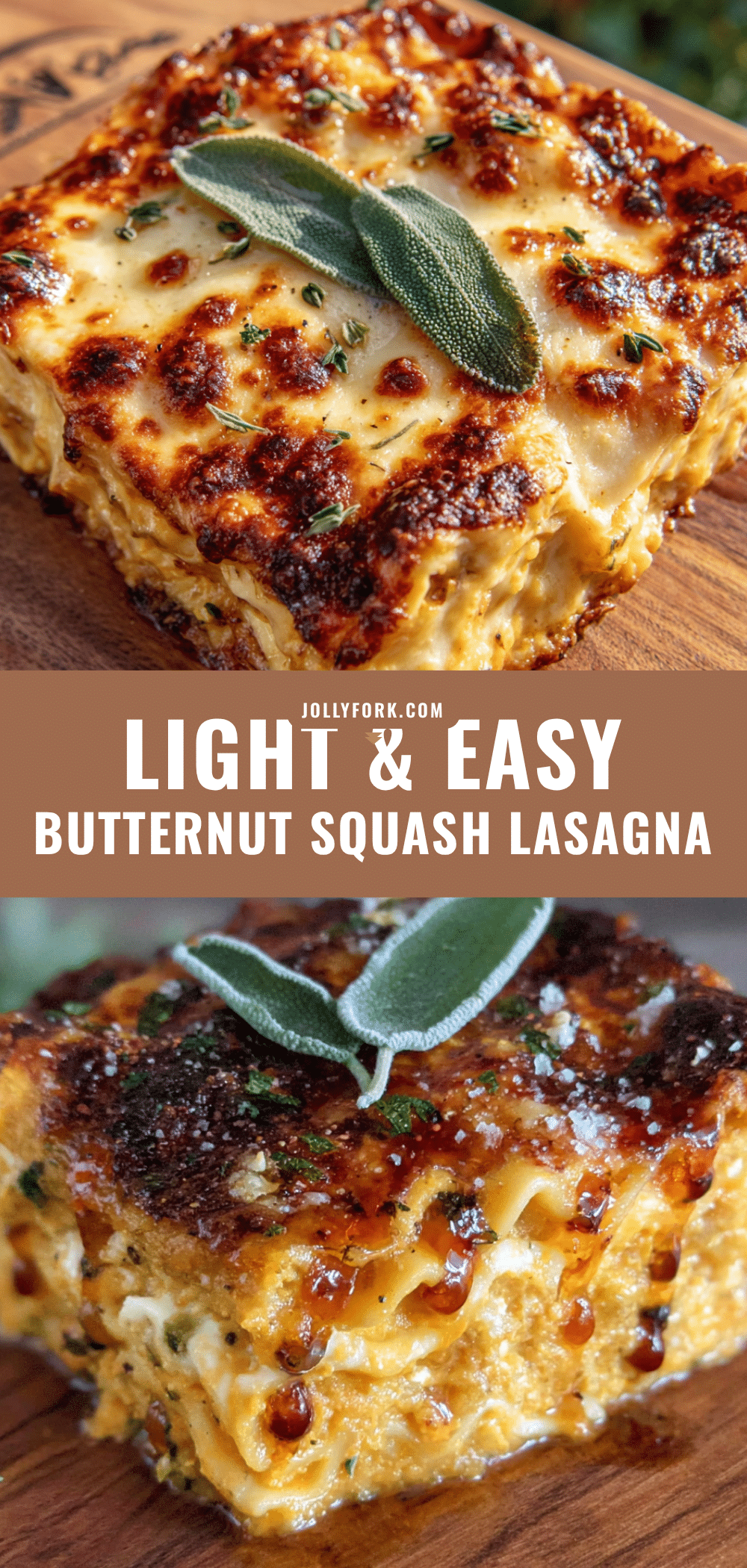
Easy One-Pan Butternut Squash Lasagna Recipe
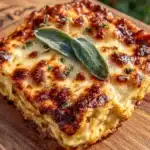
A quick and easy one-pan lasagna that uses thinly sliced butternut squash instead of pasta. It’s a healthy, comforting, and delicious weeknight dinner that comes together in under an hour.
- Prep Time: 15 minutes
- Cook Time: 40 minutes
- Total Time: 55 minutes
- Yield: 6 servings 1x
- Category: Main Course
- Cuisine: Italian
Ingredients
- 1 medium butternut squash (about 2–2.5 lbs), peeled and sliced into 1/8-inch thick planks
- 2 tablespoons olive oil
- 1 medium yellow onion, finely diced
- 4 cloves garlic, minced
- 1 can (28 ounces) crushed tomatoes (preferably San Marzano)
- 1 teaspoon dried oregano
- 1 teaspoon salt
- 1/2 teaspoon black pepper
- 1/4 teaspoon red pepper flakes (optional)
- 1 handful fresh basil, roughly chopped, plus more for garnish
- 1 cup ricotta cheese (part-skim or whole milk)
- 1 1/2 cups shredded low-moisture part-skim mozzarella cheese
- 1/2 cup freshly grated Parmesan cheese
- 2 large handfuls fresh spinach (optional)
Instructions
- Preheat oven to 400°F (200°C). Peel the butternut squash, cut off the top and bottom, slice in half where the bulb meets the neck, and scoop out seeds. Slice the squash into thin planks about 1/8-inch thick.
- Heat olive oil in an oven-safe skillet over medium heat. Add diced onion and cook for 4-5 minutes until soft and translucent. Add minced garlic and cook for 30 seconds until fragrant. Stir in crushed tomatoes, oregano, salt, pepper, and red pepper flakes (if using). Bring to a gentle simmer, then reduce heat to low and cook for 5 minutes. Turn off heat and stir in fresh basil.
- Spread a thin layer of sauce (about 1/3 cup) on the bottom of the skillet. Layer butternut squash planks overlapping slightly. Drop spoonfuls of ricotta (about 1/3 of the ricotta) over the squash, then add a handful of spinach (if using), followed by a generous handful of mozzarella and a sprinkle of Parmesan. Repeat layers (sauce, squash, ricotta, spinach, mozzarella, Parmesan) for 3-4 layers. For the top layer, spread remaining sauce over the last squash layer, then top with all remaining mozz…
- Bake uncovered for 35-40 minutes, until squash is fork-tender and cheese is melted, bubbly, and golden brown. If desired, broil for the last 2-3 minutes for extra browning.
- Remove from oven and let rest on a wire rack for at least 10 minutes before slicing. Garnish with fresh basil and black pepper.
Notes
For best results, slice squash about 1/8-inch thick. Let lasagna rest for 10-15 minutes before serving to allow layers to set. To prevent a watery lasagna, do not over-sauce and pat spinach dry if damp. For a dairy-free version, use cashew ricotta and vegan mozzarella and Parmesan.
Nutrition
- Serving Size: 1/6 of recipe
- Calories: 320
- Sugar: 8
- Sodium: 680
- Fat: 14
- Saturated Fat: 7
- Carbohydrates: 35
- Fiber: 6
- Protein: 15
Keywords: butternut squash lasagna, one-pan lasagna, healthy lasagna, gluten-free lasagna, vegetarian lasagna, easy weeknight dinner