I was at my local hardware store last October—yes, a hardware store—buying weather stripping for my drafty kitchen windows, when the woman behind the counter started talking about butter. Not just any butter, mind you. She was describing this salted honey herb butter she makes every fall, and let me tell you, I was not prepared. I was holding a roll of foam tape, and she was telling me about the exact ratio of honey to fresh sage that makes people close their eyes when they taste it.
Her name was Carol, and she’d been making this butter for thirty years. She told me she got the idea from her mother-in-law, who used to make it for Thanksgiving dinner. “The secret,” Carol said, leaning over the counter, “is to use good salt and fresh herbs. Don’t skimp on either.” I scribbled her instructions on the back of my receipt, right next to a note about caulk.
Honestly, I almost forgot about it. But that weekend, when the first real chill hit the air and I had a batch of homemade dinner rolls proofing on the counter, I remembered Carol’s butter. I rummaged through my fridge, found some stray sage and thyme, and decided to give it a shot. I mean, what did I have to lose? Worst case scenario, I’d waste a stick of butter. Best case? I’d have something magical.
The moment that honey hit the warm butter, and I stirred in the fresh herbs and a generous pinch of flaky salt, I knew I was onto something. The smell alone—earthy sage, sweet honey, rich butter—made my kitchen feel like a cozy cabin in the middle of the woods. And when I spread it on a warm roll fresh from the oven? Let’s just say I sat down and stared at the wall for a minute. It was that good.
You know that feeling when you taste something and it instantly becomes part of your fall tradition? That’s this butter. It’s the kind of thing you’ll find yourself making on repeat, for no reason other than it makes everything feel cozier. And honestly, if I hadn’t gone to the hardware store that day, I might never have found it. So here’s to Carol, and to unexpected recipe finds in the most unlikely places.
Why You’ll Love This Recipe
This salted honey herb butter isn’t just another flavored butter recipe—it’s the one that will live in your fridge all season long. I’ve tested this exact combination more times than I can count, tweaking the herb ratios and salt levels until it was absolutely perfect. Here’s why you’re going to fall head over heels for it:
- Quick & Easy: Comes together in under 10 minutes. No cooking, no complicated steps—just mix and enjoy.
- Simple Ingredients: You probably already have butter, honey, and salt in your kitchen. Fresh herbs are easy to find this time of year.
- Perfect for Fall Baking: This butter was made for the season. It pairs beautifully with dinner rolls, cornbread, biscuits, and even roasted vegetables.
- Crowd-Pleaser: Every single time I’ve served this, people have asked for the recipe. It’s that memorable.
- Unbelievably Delicious: The combination of sweet honey, savory herbs, and flaky salt creates a flavor that’s complex, balanced, and utterly addictive.
What makes this recipe different from all the other herb butters out there? It’s the salt. Using a high-quality flaky sea salt—like Maldon or fleur de sel—makes a world of difference. The salt crystals don’t dissolve completely, so you get little bursts of saltiness with every bite. Plus, the honey isn’t just for sweetness; it helps the butter spread more smoothly and adds a subtle floral note that complements the herbs perfectly.
This is comfort food reimagined—fancy enough for a holiday table but simple enough for a Tuesday night dinner. It’s the kind of butter that makes you want to bake a loaf of bread just so you have an excuse to use it. And trust me, once you try it, you’ll understand why Carol has been making it for thirty years.
What Ingredients You Will Need
This recipe uses simple, wholesome ingredients to deliver bold flavor and satisfying texture without the fuss. Most of these are pantry staples or easy to find at any grocery store this time of year. Let’s break down what you’ll need and why each ingredient matters.
- Unsalted butter, softened (1 cup / 2 sticks / 226 grams): I prefer using unsalted butter because it lets you control the salt level. Let it sit at room temperature for about 30 minutes before mixing—you want it soft but not melted. I recommend Kerrygold or Plugrà for their rich flavor and creamy texture.
- Honey (2 tablespoons / 42 grams): Use a good-quality honey here. A lighter honey like clover or orange blossom works beautifully, but a darker wildflower honey adds a more complex flavor. Avoid honey that’s crystallized or too thick—it won’t incorporate as smoothly.
- Fresh sage, finely chopped (1 tablespoon / about 6-8 leaves): Sage is the star herb here. It has this earthy, slightly peppery flavor that screams fall. Look for leaves that are bright green and fragrant, not wilted or yellowing.
- Fresh thyme, leaves only (1 teaspoon / about 6-8 sprigs): Thyme adds a subtle lemony, floral note that balances the richness of the butter. Strip the leaves from the stems—you don’t want any woody bits in your butter.
- Fresh rosemary, finely chopped (1 teaspoon / about 1 small sprig): Rosemary brings a piney, aromatic quality that pairs beautifully with honey. Go easy on it—rosemary can be overpowering if you use too much.
- Flaky sea salt (1 teaspoon, plus more for finishing): This is non-negotiable. Flaky salt like Maldon or fleur de sel adds texture and bursts of salinity that table salt just can’t replicate. You’ll mix some into the butter and sprinkle more on top.
- Optional: Fresh chives, finely chopped (1 teaspoon): Chives add a mild oniony note that rounds out the herb profile. I add them when I’m serving this with savory dishes like roasted chicken or steak.
For the herbs, feel free to experiment with what you have on hand. In the summer, I’ve swapped in fresh basil and parsley for a lighter version. In the fall, stick with sage, thyme, and rosemary—they’re the classic trio for a reason. If you’re using dried herbs, use about one-third of the amount, but honestly, fresh makes a huge difference here.
One more thing: if you’re dairy-free, you can use a high-quality vegan butter. I’ve tested this with Miyoko’s European-style cultured vegan butter, and it works beautifully. Just make sure it’s softened to room temperature before mixing.
Equipment Needed
You don’t need much to make this salted honey herb butter, which is part of its charm. Here’s what you’ll need:
- Mixing bowl: A medium-sized bowl works perfectly. I use a ceramic one because it doesn’t retain heat, but glass or stainless steel works fine too.
- Rubber spatula or wooden spoon: For mixing everything together. A spatula makes it easier to scrape down the sides and get every bit of herb incorporated.
- Cutting board and sharp knife: For chopping the fresh herbs. A sharp knife makes a big difference—dull knives bruise the herbs and release too much moisture.
- Measuring spoons: For accurate measurements of honey, salt, and herbs. I’ve learned the hard way that eyeballing honey leads to sticky messes.
- Parchment paper or wax paper: For shaping the butter into a log. If you don’t have parchment, plastic wrap works too, but parchment is easier to work with.
- Small serving dish or ramekin: If you prefer to serve the butter in a dish instead of a log. A small ceramic crock or a glass ramekin looks lovely on the table.
- Optional: Electric mixer: You can use a hand mixer if you want an extra-fluffy texture, but honestly, mixing by hand works perfectly and means less cleanup.
If you don’t have parchment paper, no worries. You can shape the butter into a ball and place it in a small dish, or just transfer it to an airtight container. I’ve done both, and the butter tastes just as amazing either way.
Preparation Method
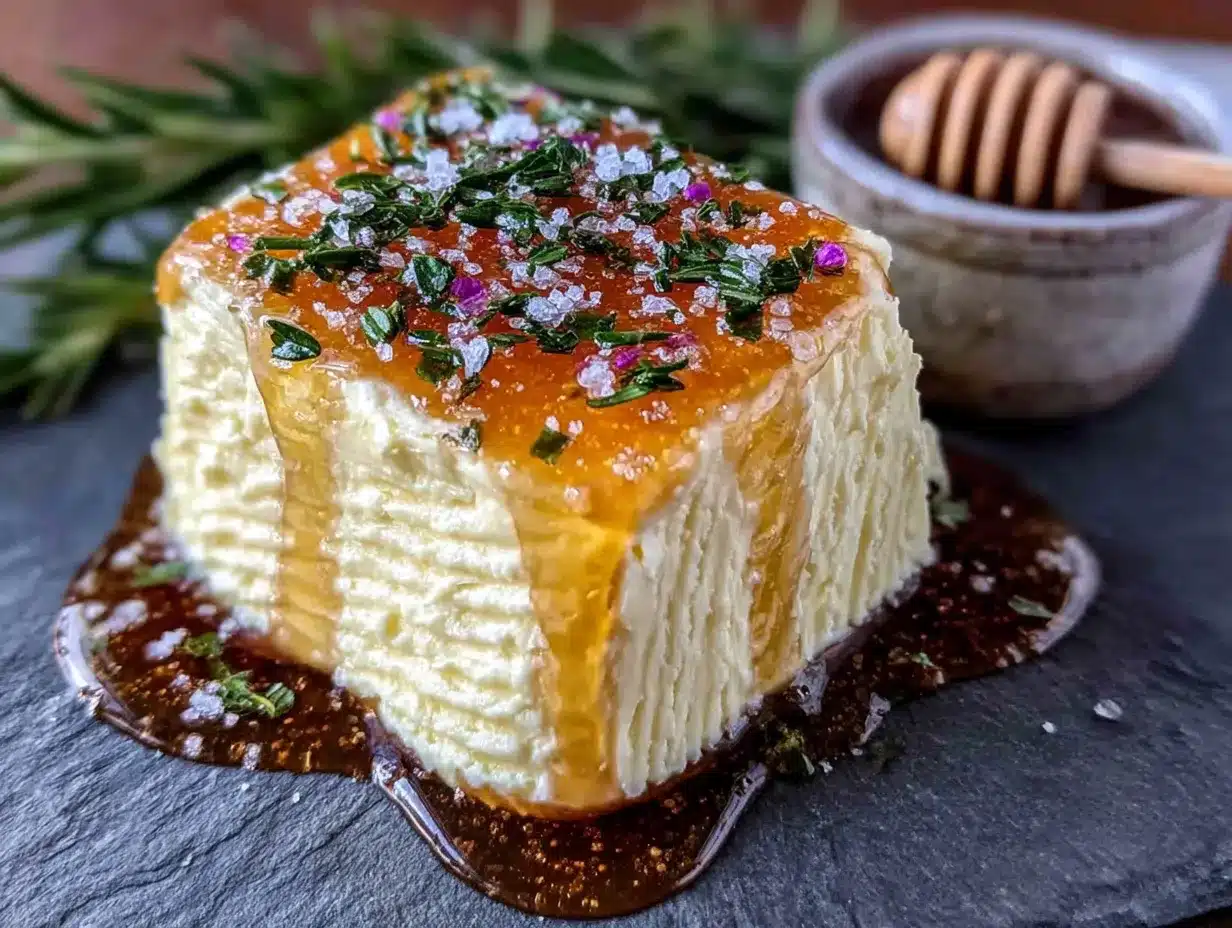
Making this salted honey herb butter is almost laughably simple, but there are a few tricks to getting it just right. Follow these steps, and you’ll have a batch of butter that tastes like it came from a fancy French bakery.
- Soften the butter: Take your 2 sticks of unsalted butter out of the fridge about 30-40 minutes before you start. You want it soft enough that you can easily press your finger into it, but not so soft that it’s greasy or melted. If you’re in a hurry, cut the butter into small cubes and let it sit for 15 minutes—that speeds things up considerably.
- Prepare the herbs: While the butter softens, wash and dry your fresh herbs thoroughly. Wet herbs will make the butter watery and dilute the flavor. Finely chop the sage and rosemary, and strip the thyme leaves from their stems. You want everything chopped small enough that you won’t get a mouthful of one herb—they should distribute evenly throughout the butter.
- Mix the base: Place the softened butter in your mixing bowl. Add the 2 tablespoons of honey and 1 teaspoon of flaky sea salt. Using your rubber spatula or a wooden spoon, stir everything together until the honey and salt are fully incorporated. Don’t rush this step—you want the honey to be completely mixed in, not swirled. It should take about a minute of steady stirring.
- Add the herbs: Sprinkle the chopped sage, thyme, and rosemary over the butter mixture. Fold them in gently but thoroughly, making sure every bit of herb is distributed. The butter will start to look speckled and beautiful—this is when it really starts to smell amazing. Taste a tiny bit at this point and adjust the salt if needed. Remember, you’ll be adding more salt on top later.
- Shape the butter: Lay a sheet of parchment paper on your counter. Scrape the butter mixture onto the parchment, forming it into a rough log shape. Fold the parchment over the butter and use your hands to shape it into a smooth cylinder, about 1.5 to 2 inches in diameter. Twist the ends of the parchment like a candy wrapper to secure it. Alternatively, you can press the butter into a small serving dish or ramekin for a more rustic presentation.
- Chill the butter: Place the wrapped butter log in the refrigerator for at least 30 minutes to firm up. This step is important—chilled butter is easier to slice and holds its shape better. If you’re serving it in a dish, you can chill it for 15 minutes and then bring it to room temperature before serving.
- Finish with salt: Just before serving, unwrap the butter and sprinkle a pinch of flaky sea salt on top. This final touch adds texture and a burst of salinity that makes the honey and herbs sing. If you’ve shaped it into a log, you can roll the log in additional flaky salt for a beautiful crust.
One thing I learned the hard way: don’t overmix the butter once the herbs are added. You want visible flecks of herbs, not a green-tinted paste. Stop mixing as soon as everything looks evenly distributed.
Cooking Tips & Techniques
After making this salted honey herb butter more times than I can count, I’ve picked up a few tricks that make the process smoother and the results more consistent. Here’s what I’ve learned:
Temperature matters more than you think. If your butter is too cold, the honey won’t incorporate properly and you’ll end up with streaks. If it’s too warm, the butter will be greasy and won’t hold its shape. Aim for that sweet spot where the butter is soft but still holds a slight resistance when you press it. This usually takes about 30-40 minutes at room temperature, depending on how warm your kitchen is.
Don’t skip the flaky salt. I made this butter once with regular table salt, and it was just… fine. The texture was all wrong, and the saltiness felt harsh rather than delicate. Flaky salt is worth the extra cost here. It dissolves slowly on your tongue and creates those little bursts of saltiness that make this butter so addictive. Maldon is my go-to, but any high-quality flaky sea salt will work.
Fresh herbs are non-negotiable. I know, I know—dried herbs are easier. But dried herbs in butter have a dusty texture and a muted flavor that just doesn’t compare. Fresh herbs bring brightness and aroma that transform this from a simple compound butter into something truly special. If you absolutely must use dried, use one-third of the amount and let the butter sit at room temperature for an hour before serving to allow the flavors to bloom.
Let it rest before serving. This butter tastes best if you let it sit at room temperature for about 20 minutes after taking it out of the fridge. The flavors meld together, the butter becomes spreadable, and the salt crystals soften just enough. I’ve made the mistake of serving it straight from the fridge, and it was hard and flavorless. Patience pays off here.
Double the batch. Seriously. This butter freezes beautifully, and having a log in the freezer means you’re always prepared for unexpected guests, last-minute dinner rolls, or a cozy night in. I always make at least two logs at a time—one for now, one for later.
One of my biggest failures with this recipe happened when I tried to rush the process. I microwaved the butter to soften it, and it partially melted. The texture was all wrong—grainy and separated—and the herbs sank to the bottom. Never again. Slow and steady wins this race.
Variations & Adaptations
This salted honey herb butter is incredibly versatile, and I’ve experimented with quite a few variations over the years. Here are some of my favorites:
Maple Herb Butter: Swap the honey for pure maple syrup. The maple flavor is a little more robust and pairs beautifully with roasted sweet potatoes, cornbread, or even pancakes. Use the same amount—2 tablespoons—and follow the recipe as written.
Spiced Honey Butter: Add 1/2 teaspoon of cinnamon and a pinch of nutmeg along with the honey. This version is incredible on pumpkin bread, banana muffins, or even stirred into oatmeal. The warm spices complement the honey without overpowering the herbs.
Garlic Herb Butter: Add 1 small clove of garlic, finely minced or grated, to the butter along with the herbs. This savory version is perfect for garlic bread, mashed potatoes, or slathering on a steak before grilling. Just be careful—raw garlic can be strong, so let it sit for an hour to mellow before serving.
Dairy-Free Version: Use a high-quality vegan butter like Miyoko’s European-style cultured butter. The texture and flavor are remarkably close to the real thing. I’ve tested this, and honestly, most people can’t tell the difference. Just make sure the vegan butter is softened before mixing.
Lemon Herb Butter: Add 1 teaspoon of fresh lemon zest along with the herbs. The citrus brightens up the butter and makes it perfect for seafood, roasted vegetables, or a simple piece of grilled chicken. I love this version in the spring, when fresh herbs are abundant and the weather is warming up.
For a completely different take, try this butter with different herb combinations. In the summer, I use basil, parsley, and chives with a touch of lemon zest. In the winter, I go heavy on the rosemary and add a pinch of dried orange peel. The possibilities are endless, and that’s what makes this recipe so fun to play with.
Serving & Storage Suggestions
This salted honey herb butter is incredibly versatile when it comes to serving. Here’s how I like to use it and how to store it so it stays fresh.
Serving temperature: For the best flavor and texture, let the butter sit at room temperature for 20-30 minutes before serving. It should be soft enough to spread easily but still hold its shape. If you’re serving it in a dish, you can bring it to room temperature and then fluff it with a fork for a pretty, whipped texture.
What to serve it with: This butter is amazing on so many things. My personal favorites include warm dinner rolls, flaky biscuits, cornbread, crusty sourdough, and even pancakes or waffles. It’s also incredible on roasted vegetables—try it on roasted carrots, butternut squash, or Brussels sprouts. For a real treat, spread it on a freshly baked sweet potato or stir a pat into a bowl of creamy mashed potatoes.
Storage instructions: Wrapped tightly in parchment paper and placed in an airtight container or zip-top bag, this butter will keep in the refrigerator for up to 2 weeks. The flavors actually get better after a day or two as the herbs infuse the butter. For longer storage, wrap the butter log tightly in plastic wrap and then foil, and freeze for up to 3 months. To thaw, transfer it to the refrigerator overnight.
Reheating tips: You don’t really reheat compound butter, but if you want to serve it warm, you can let it come to room temperature and then give it a quick stir. Avoid microwaving it—that will melt the butter and ruin the texture. If you’re using it on hot food, just place a pat on top and let the heat do the work.
One thing I love about this butter is how the flavors develop over time. The first day, it’s bright and herbaceous. By day three, the honey and salt have mellowed, and the herbs have infused the butter more deeply. It’s delicious at every stage, but I honestly prefer it after it’s had a day or two to rest in the fridge.
Nutritional Information & Benefits
While this salted honey herb butter is definitely a treat, it does offer some surprising benefits when used in moderation. Here’s a rough breakdown of what you’re getting:
Estimated nutritional values per tablespoon:
– Calories: 102
– Total Fat: 11.5g
– Saturated Fat: 7.3g
– Cholesterol: 31mg
– Sodium: 98mg
– Total Carbohydrates: 2.3g
– Sugars: 2.1g
– Protein: 0.1g
Health benefits of key ingredients: The fresh herbs in this butter aren’t just for flavor—they also bring some nutritional value. Sage is known for its anti-inflammatory properties and is rich in vitamin K. Thyme contains thymol, a compound with antimicrobial properties, and is a good source of vitamin C. Rosemary is packed with antioxidants and has been linked to improved digestion and memory function. And while honey is still sugar, it does contain trace amounts of antioxidants and has antibacterial properties.
Dietary considerations: This recipe is naturally gluten-free and contains no grains or processed ingredients. If you use a high-quality dairy-free butter alternative, it can also be made vegan and lactose-free. The main allergen to be aware of is dairy, so if you’re serving this to someone with a dairy allergy, be sure to use a vegan butter alternative.
I’ll be honest—this isn’t health food. It’s butter, after all. But using high-quality ingredients and enjoying it in moderation means you can savor every bite without guilt. A little bit of this butter goes a long way, and the flavor is so rich that you’ll find yourself using less than you would with regular butter.
Conclusion
This salted honey herb butter has become a fall staple in my kitchen, and I have a feeling it will become one in yours too. It’s the kind of recipe that feels special without being fussy—simple enough to make on a whim, but impressive enough to serve at a holiday dinner. The combination of sweet honey, savory herbs, and flaky salt is genuinely magical, and it has a way of making everything it touches taste just a little bit better.
I love this butter because it reminds me that the best recipes often come from the most unexpected places. A hardware store conversation, a scribbled note on a receipt, and a little bit of kitchen experimentation—that’s all it took to create something I’ll make for years to come. And now it’s your turn.
I’d love to hear how this butter turns out for you. What herbs did you use? What did you serve it with? Did you make any fun variations? Drop a comment below and let me know—I read every single one, and I love hearing about your kitchen adventures. And if you enjoyed this recipe, please share it with a friend who loves fall baking as much as we do. Happy cooking, and here’s to finding magic in the most unexpected places!
Frequently Asked Questions
Can I use dried herbs instead of fresh?
You can, but I don’t recommend it. Dried herbs have a dusty texture and a much more concentrated flavor that can be overpowering in butter. If you’re in a pinch, use about one-third of the amount called for and let the butter sit at room temperature for an hour before serving to allow the dried herbs to rehydrate slightly.
How long does this butter last in the fridge?
Properly wrapped and stored in an airtight container, this butter will keep in the refrigerator for up to 2 weeks. The flavors actually get better after a day or two as the herbs infuse the butter. Just make sure it’s tightly wrapped to prevent it from absorbing other odors in your fridge.
Can I freeze this butter?
Absolutely! This butter freezes beautifully. Wrap the log tightly in plastic wrap and then foil, and store it in a freezer-safe bag or container. It will keep for up to 3 months. To thaw, transfer it to the refrigerator overnight. I always keep a log in my freezer for unexpected guests or last-minute dinner rolls.
What if I don’t have flaky sea salt?
Flaky sea salt really does make a difference in this recipe, but if you don’t have it, you can use kosher salt as a substitute. Use about 3/4 teaspoon of kosher salt instead of 1 teaspoon of flaky salt, since kosher salt is denser. Avoid regular table salt—it’s too fine and will make the butter taste harsh and overly salty.
Can I make this butter vegan?
Yes! Use a high-quality vegan butter like Miyoko’s European-style cultured butter. I’ve tested this, and the texture and flavor are remarkably close to the real thing. Just make sure the vegan butter is softened to room temperature before mixing. Everything else in the recipe is already plant-based, so you’re good to go.
Pin This Recipe!
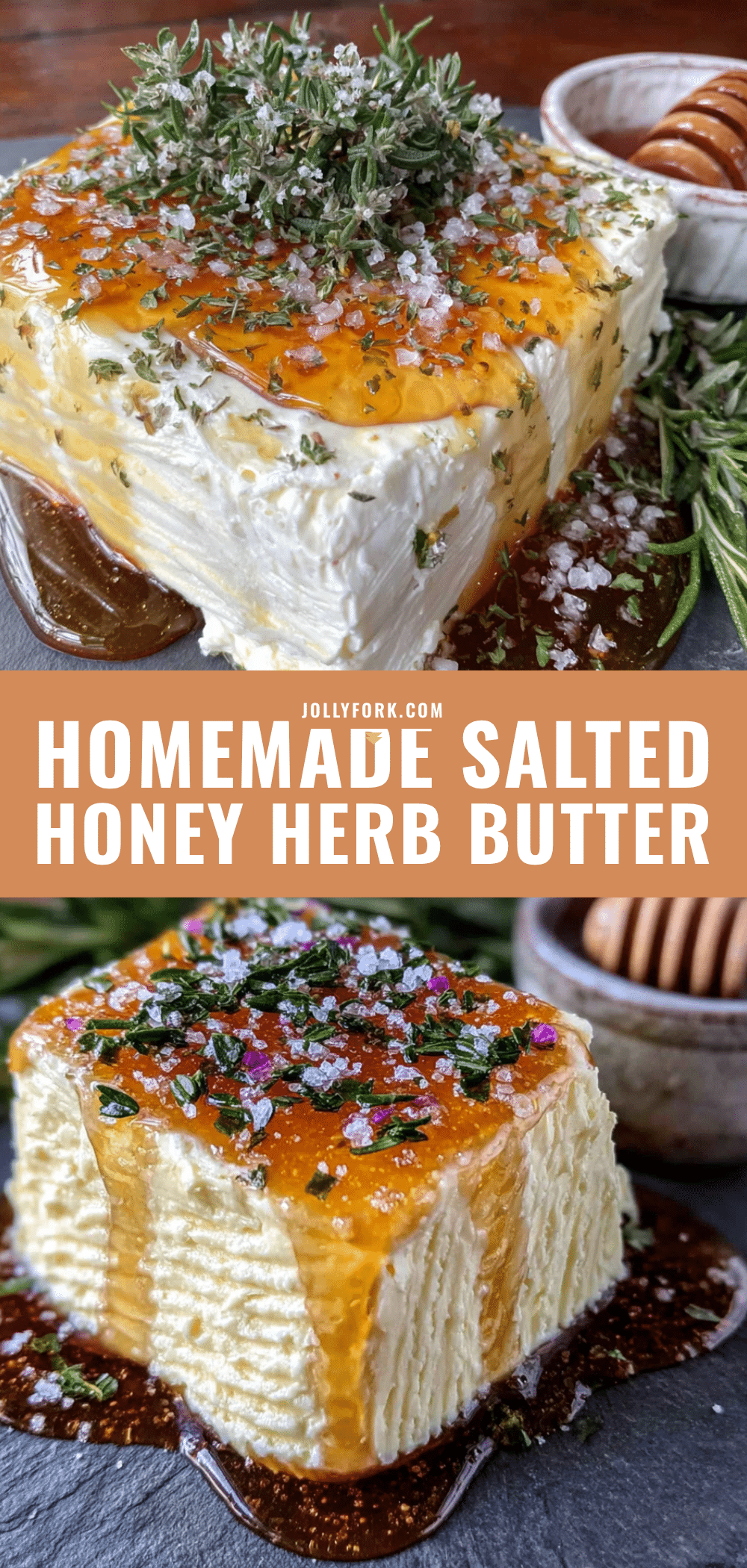
Homemade Salted Honey Herb Butter for Fall Baking

This salted honey herb butter combines sweet honey, savory fresh herbs, and flaky sea salt for a flavorful compound butter perfect for fall baking. It comes together in under 10 minutes and is ideal for dinner rolls, cornbread, biscuits, and roasted vegetables.
- Prep Time: 10 minutes
- Cook Time: 0 minutes
- Total Time: 40 minutes (including chilling)
- Yield: 16 servings (1 tablespoon per serving) 1x
- Category: Condiment
- Cuisine: American
Ingredients
- 1 cup (2 sticks / 226 grams) unsalted butter, softened
- 2 tablespoons (42 grams) honey
- 1 tablespoon fresh sage, finely chopped (about 6–8 leaves)
- 1 teaspoon fresh thyme leaves (about 6–8 sprigs)
- 1 teaspoon fresh rosemary, finely chopped (about 1 small sprig)
- 1 teaspoon flaky sea salt (e.g., Maldon or fleur de sel), plus more for finishing
- 1 teaspoon fresh chives, finely chopped (optional)
Instructions
- Soften the butter: Take the unsalted butter out of the fridge about 30-40 minutes before starting. It should be soft enough to press your finger into but not melted. If in a hurry, cut into small cubes and let sit for 15 minutes.
- Prepare the herbs: Wash and dry the fresh herbs thoroughly. Finely chop the sage and rosemary, and strip the thyme leaves from their stems. Chop everything small enough to distribute evenly.
- Mix the base: Place the softened butter in a mixing bowl. Add the honey and 1 teaspoon of flaky sea salt. Stir with a rubber spatula or wooden spoon until the honey and salt are fully incorporated (about 1 minute).
- Add the herbs: Sprinkle the chopped sage, thyme, and rosemary over the butter mixture. Fold gently but thoroughly until the herbs are evenly distributed. Taste and adjust salt if needed.
- Shape the butter: Lay a sheet of parchment paper on the counter. Scrape the butter mixture onto the parchment and form into a rough log shape. Fold the parchment over and shape into a smooth cylinder about 1.5 to 2 inches in diameter. Twist the ends to secure. Alternatively, press into a small serving dish.
- Chill the butter: Refrigerate the wrapped butter log for at least 30 minutes to firm up. If serving in a dish, chill for 15 minutes then bring to room temperature before serving.
- Finish with salt: Just before serving, unwrap the butter and sprinkle a pinch of flaky sea salt on top. For a log, roll in additional flaky salt for a beautiful crust.
Notes
Use high-quality flaky sea salt for best texture. Fresh herbs are non-negotiable for optimal flavor. Let butter sit at room temperature for 20 minutes before serving for best spreadability. Butter can be frozen for up to 3 months.
Nutrition
- Serving Size: 1 tablespoon
- Calories: 102
- Sugar: 2.1
- Sodium: 98
- Fat: 11.5
- Saturated Fat: 7.3
- Carbohydrates: 2.3
- Protein: 0.1
Keywords: salted honey herb butter, compound butter, fall butter, herb butter, honey butter, homemade butter, easy butter recipe