My grandmother had a meatloaf recipe she guarded like a family heirloom. For years, I watched her mix it by hand, adding a pinch of this and a splash of that, never writing a single thing down. When I finally asked for it, she just smiled and said, “Oh, you’ll figure it out, dear.” So for a while, I just accepted that meatloaf was going to be either dry, bland, or both. I tried every version I could find—some were too dense, others fell apart, and none of them had that sticky-sweet top that made hers so memorable. It took a few failed attempts and a lot of ketchup-stained notes to realize the secret wasn’t in a single ingredient. It was in the balance. The right amount of moisture, the perfect blend of seasonings, and that glossy brown sugar glaze that caramelizes into something almost candied. This classic old-fashioned meatloaf with brown sugar glaze is the version I landed on after all that trial and error. It’s the one that finally made me stop searching.
This isn’t a fancy weeknight dinner. It’s the kind of meal you make when you want something that feels like a hug on a plate. The kind that fills your kitchen with that warm, savory smell that makes everyone wander in asking, “What’s for dinner?” And honestly, the brown sugar glaze is what really sets it apart. It’s not just sweet—it gets tangy and sticky as it bakes, creating a crust that’s almost like a caramelized shell. I’ve made this for family dinners, potlucks, and even just for myself on a quiet Sunday, and it never disappoints. There’s a reason some recipes stick around for generations. This is one of them.
Why You’ll Love This Recipe
This classic old-fashioned meatloaf with brown sugar glaze isn’t just another recipe to add to your rotation. It’s the one you’ll actually look forward to making. Here’s why it works so well.
- Quick & Easy: You’ll have it in the oven in about 15 minutes. The hands-on time is minimal, which makes it perfect for busy weeknights when you still want something homemade.
- Simple Ingredients: Ground beef, breadcrumbs, eggs, ketchup, and a few pantry staples. No fancy grocery trips or obscure spices needed. You probably have everything right now.
- Perfect for Family Dinners: It’s a crowd-pleaser in the truest sense. Kids love the sweet glaze, and adults appreciate the savory, juicy meat underneath. It’s great for Sunday suppers, holiday gatherings, or just a cozy Tuesday night.
- Crowd-Pleaser: I’ve brought this to potlucks and watched the pan empty out before the salad even got touched. It’s the kind of dish that gets rave reviews without any fuss.
- Unbelievably Delicious: The texture is tender and moist, not dense or crumbly. And that glaze? It’s the perfect balance of sweet, tangy, and sticky. It’s next-level comfort food.
What makes this version different from the rest is the technique. Instead of just mixing everything together and hoping for the best, I use a panade—a mixture of breadcrumbs and milk—that keeps the meatloaf incredibly moist. The brown sugar glaze isn’t just brushed on top; it’s spread on generously so it bakes into a caramelized crust. I’ve tested this with different ratios of beef to pork, different binders, and different glaze combinations. This is the one that hits every single time. It’s not just another meatloaf. It’s the best version I’ve found.
This recipe is the kind that makes you close your eyes after the first bite. It’s comfort food reimagined—familiar, but somehow better than you remember. Perfect for impressing guests without stress, or turning a simple meal into something memorable.
What Ingredients You Will Need
This recipe uses simple, wholesome ingredients to deliver bold flavor and satisfying texture without the fuss. Most of these are pantry staples, which makes it easy to whip up on a whim.
For the Meatloaf:
- Ground beef (80/20): 2 pounds (900g). The 80/20 blend has enough fat to keep the meatloaf moist and flavorful. Leaner blends can result in a drier loaf. I prefer ground chuck for the best balance of flavor and texture.
- Breadcrumbs: 1 cup (120g). Plain or Italian-style both work. Panko breadcrumbs also work well and give a slightly lighter texture. If you’re gluten-free, use gluten-free breadcrumbs or crushed pork rinds.
- Milk: ½ cup (120ml). Whole milk is best for richness, but 2% or even unsweetened almond milk will work. The milk soaks into the breadcrumbs to create a panade, which is the secret to a tender meatloaf.
- Eggs: 2 large, lightly beaten. They act as a binder, holding everything together. If you need an egg substitute, try 2 tablespoons of flaxseed meal mixed with 6 tablespoons of water.
- Yellow onion: 1 medium, finely chopped (about 1 cup). Don’t skip this—it adds moisture and sweetness. Sautéing it first is optional but recommended for a milder flavor.
- Garlic: 3 cloves, minced. Fresh garlic is best, but 1 teaspoon of garlic powder works in a pinch.
- Ketchup: ⅓ cup (80ml). This adds moisture and a touch of sweetness to the meat mixture.
- Worcestershire sauce: 2 tablespoons (30ml). It adds that deep, umami flavor that makes meatloaf taste so savory. I recommend Lea & Perrins for the best flavor.
- Dijon mustard: 1 tablespoon (15ml). Adds a subtle tang that balances the sweetness of the glaze.
- Dried thyme: 1 teaspoon. Earthy and aromatic, it pairs beautifully with beef.
- Smoked paprika: 1 teaspoon. Adds a subtle smokiness and a beautiful color.
- Salt: 1½ teaspoons.
- Black pepper: ½ teaspoon, freshly ground.
For the Brown Sugar Glaze:
- Ketchup: ½ cup (120ml). The base of the glaze.
- Brown sugar: ⅓ cup (65g), packed. Light or dark brown sugar both work. Dark brown sugar will give a deeper, more molasses-like flavor.
- Apple cider vinegar: 1 tablespoon (15ml). This cuts through the sweetness and adds a tangy kick.
- Worcestershire sauce: 1 teaspoon (5ml). For extra depth.
- Garlic powder: ½ teaspoon.
Ingredient Selection Tips: Look for ground beef that’s bright red and doesn’t have a strong smell. For the brown sugar, make sure it’s packed firmly in the measuring cup for the right sweetness level. If you’re using a different type of ground meat, like ground turkey or pork, the cooking time and moisture content will vary. For a lighter version, you can use half ground beef and half ground turkey.
Equipment Needed
You don’t need a lot of fancy equipment to make this classic old-fashioned meatloaf with brown sugar glaze. Here’s what you’ll need:
- Large mixing bowl: For combining all the meatloaf ingredients. A glass or stainless steel bowl works well.
- Loaf pan: A standard 9×5-inch loaf pan is ideal. If you don’t have one, you can shape the meatloaf by hand on a lined baking sheet—it will cook a bit faster and have more caramelized edges.
- Small bowl: For mixing the glaze.
- Measuring cups and spoons: For accurate measurements.
- Chef’s knife and cutting board: For chopping the onion and mincing the garlic.
- Fork or spatula: For mixing the meatloaf. I prefer using my hands—it’s easier to tell when everything is evenly combined without overmixing.
- Parchment paper: Optional, but it makes cleanup a breeze. Line the loaf pan for easy removal.
- Meat thermometer: Highly recommended for checking doneness. The internal temperature should reach 160°F (71°C).
If you don’t have a meat thermometer, you can check by inserting a knife into the center—the juices should run clear, and the meat should be firm to the touch. But honestly, a thermometer is a game-changer for meatloaf. It takes the guesswork out completely.
Preparation Method
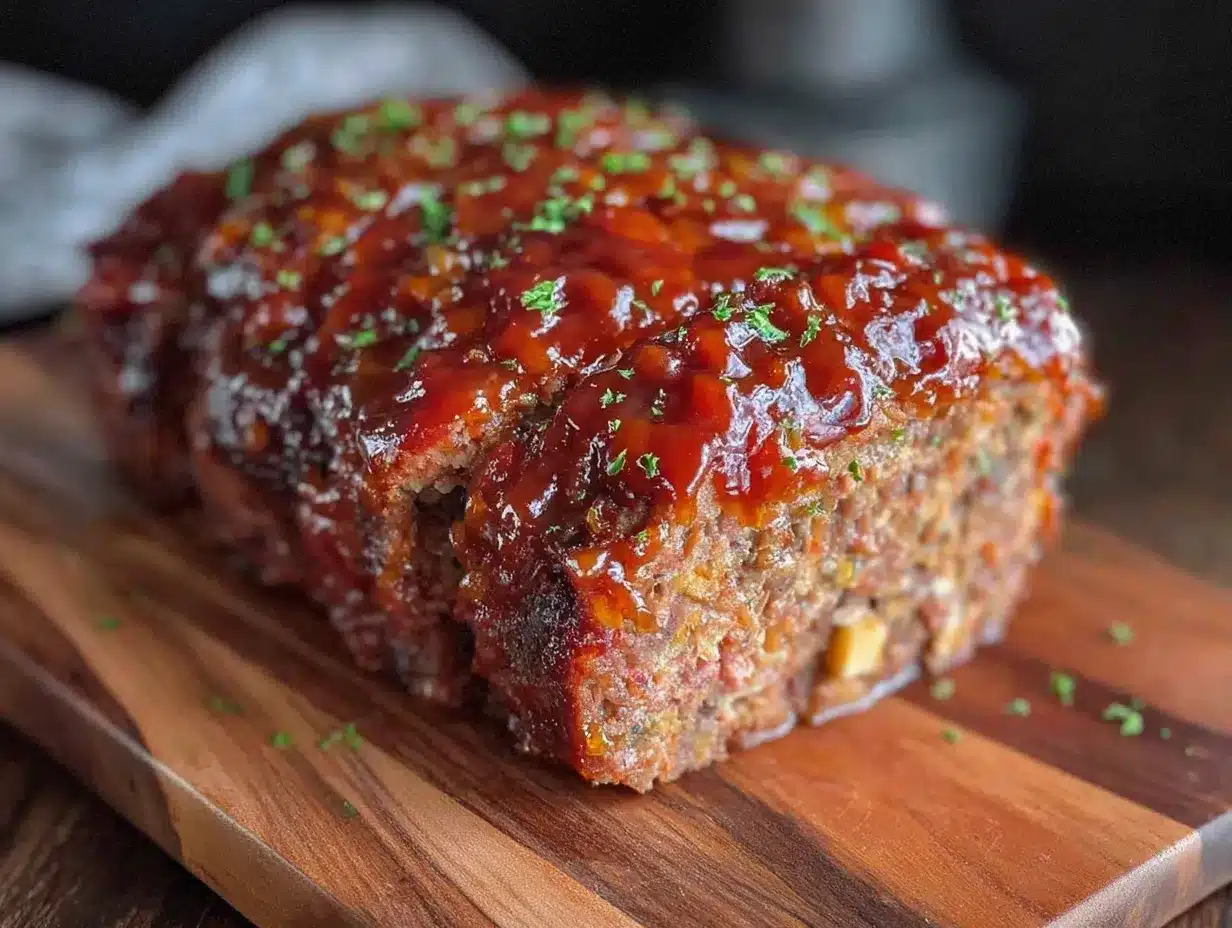
This classic old-fashioned meatloaf with brown sugar glaze comes together quickly, but there are a few key steps to ensure it turns out perfectly tender and flavorful every time.
- Preheat your oven to 350°F (175°C). While it’s heating, line a 9×5-inch loaf pan with parchment paper, leaving some overhang on the sides. This makes it super easy to lift the meatloaf out later. If you’re not using parchment, lightly grease the pan with cooking spray.
- Make the panade. In your large mixing bowl, combine the breadcrumbs and milk. Let it sit for about 5 minutes until the breadcrumbs have absorbed the liquid and turned into a thick, paste-like mixture. This is the secret to a moist meatloaf—don’t skip it.
- Sauté the onion (optional but recommended). In a small skillet over medium heat, add a teaspoon of oil. Cook the chopped onion for 3-4 minutes until softened and translucent. This mellows out the sharpness of the raw onion. Let it cool slightly before adding it to the meat mixture. If you’re short on time, you can add the onion raw—just make sure it’s finely chopped.
- Mix the meatloaf. To the panade, add the beaten eggs, ketchup, Worcestershire sauce, Dijon mustard, dried thyme, smoked paprika, salt, and pepper. Stir until combined. Then add the ground beef and the sautéed onion (or raw onion). Using your hands (or a fork, if you prefer), gently mix everything together until just combined. Be careful not to overmix—this can make the meatloaf tough. You want everything evenly distributed, but stop as soon as it comes together.
- Shape the loaf. Transfer the meat mixture to the prepared loaf pan. Gently press it into an even shape, making sure there are no air pockets. Don’t pack it down too firmly—you want it to be compact enough to hold its shape, but loose enough to stay tender.
- Make the glaze. In a small bowl, whisk together the ketchup, packed brown sugar, apple cider vinegar, Worcestershire sauce, and garlic powder until smooth. The mixture will be thick and glossy.
- Apply the first layer of glaze. Spread about half of the glaze evenly over the top of the meatloaf. Reserve the rest for later. This first layer will bake into a sticky, caramelized crust.
- Bake the meatloaf. Place the loaf pan on a baking sheet (to catch any drips) and bake for 45 minutes at 350°F (175°C).
- Apply the second layer of glaze. After 45 minutes, carefully remove the meatloaf from the oven. Spread the remaining glaze over the top. Return it to the oven and bake for another 15-20 minutes. The glaze should be bubbly and caramelized, and the internal temperature should reach 160°F (71°C) when measured with a meat thermometer inserted into the center.
- Rest before slicing. This is crucial. Let the meatloaf rest in the pan for 10-15 minutes after removing it from the oven. This allows the juices to redistribute throughout the loaf, making it easier to slice and keeping it from falling apart. If you slice it immediately, it will be crumbly and dry.
- Slice and serve. Use the parchment paper overhang to lift the meatloaf out of the pan. Transfer it to a cutting board, slice into thick pieces, and serve with extra glaze spooned over the top if desired.
Sensory Cues: At the 45-minute mark, the top should be dark and slightly sticky. When you insert the thermometer, it should slide in easily with no resistance. The juices running from the center should be clear, not pink. The smell will be incredible—savory, sweet, and slightly tangy all at once.
Cooking Tips & Techniques
I’ve made this classic old-fashioned meatloaf with brown sugar glaze more times than I can count, and I’ve learned a few things along the way. Here are my best tips to ensure yours turns out perfect.
Don’t overmix the meat. This is the number one mistake people make. Overworking the ground beef activates the proteins and makes the meatloaf dense and tough. Mix just until the ingredients are evenly distributed. If you see streaks of breadcrumb mixture, you’re done. It’s okay if it’s not perfectly uniform.
Use a meat thermometer. I know I’ve said it before, but it’s that important. Meatloaf can go from perfectly cooked to dry in a matter of minutes. The USDA recommends an internal temperature of 160°F (71°C) for ground beef. Pull it out at exactly that temperature, and it will be juicy and safe to eat. If you don’t have a thermometer, look for clear juices and a firm texture, but honestly, the thermometer is the way to go.
Let it rest. I know you’ll be hungry, but resist the urge to slice into it right away. Resting allows the meat to reabsorb its juices. If you cut it too soon, all that moisture will run out onto the cutting board, leaving you with a dry meatloaf. Ten minutes is the minimum. Fifteen is better.
Line the pan with parchment. This makes cleanup so much easier, and it helps you lift the meatloaf out without it breaking apart. Just leave a little overhang on the sides, and you’re golden.
Watch the glaze. Brown sugar can burn if it’s exposed to too much heat. That’s why I add the second layer of glaze later in the baking process. It gives the first layer time to caramelize without burning, and the second layer stays glossy and sticky. If you notice the top getting too dark, tent the loaf with aluminum foil for the last 10 minutes of baking.
One time I forgot to add the eggs. I was in a rush, and I just mixed everything together and popped it in the oven. The result was a crumbly mess that fell apart as soon as I tried to slice it. The eggs are essential for binding. Don’t skip them. And if you’re using an egg substitute, make sure it’s one that provides enough structure, like a flax egg.
Variations & Adaptations
This classic old-fashioned meatloaf with brown sugar glaze is incredibly versatile. Here are some ways to make it your own.
Dietary Variations:
- Gluten-Free: Use gluten-free breadcrumbs or crushed pork rinds. Make sure your Worcestershire sauce is gluten-free (some brands contain malt vinegar).
- Dairy-Free: Substitute the milk with unsweetened almond milk, oat milk, or even beef broth. The panade will still work beautifully.
- Low-Carb/Keto: Replace the breadcrumbs with almond flour or crushed pork rinds. Use a sugar-free ketchup for the glaze and a brown sugar substitute like Swerve.
- Turkey Meatloaf: Use 2 pounds of ground turkey (93/7 blend) instead of beef. Turkey is leaner, so add an extra tablespoon of olive oil to the mixture to keep it moist. The cooking time may be slightly shorter, so start checking the temperature at 50 minutes.
Flavor Variations:
- BBQ Meatloaf: Swap the ketchup in the glaze for your favorite barbecue sauce. Add ½ cup of shredded cheddar cheese to the meat mixture for a smoky, cheesy twist.
- Italian Meatloaf: Add ½ cup of grated Parmesan cheese, ¼ cup of chopped fresh parsley, and 1 teaspoon of dried oregano to the meat mixture. Use marinara sauce instead of the brown sugar glaze for a different flavor profile.
- Stuffed Meatloaf: After shaping the loaf in the pan, make a well down the center and fill it with sautéed mushrooms, spinach, and mozzarella cheese. Press the meat around the filling to seal it, then glaze and bake as directed.
Seasonal Adaptations: In the fall, add a teaspoon of dried sage and a tablespoon of chopped fresh rosemary to the meat mixture. In the summer, serve it with a fresh tomato salad or alongside some Mediterranean chickpea and cucumber salad for a lighter meal.
Personal Variation: I once added a tablespoon of chipotle pepper in adobo sauce to the glaze. It gave it a smoky, spicy kick that was incredible. If you like a little heat, give it a try. Just be careful—a little goes a long way.
Serving & Storage Suggestions
This classic old-fashioned meatloaf with brown sugar glaze is best served warm, right after it’s rested. Here’s how to make the most of it.
Serving Temperature and Presentation: Serve the meatloaf sliced into thick pieces, about 1-inch thick. Spoon any remaining glaze from the pan over the top. It pairs beautifully with mashed potatoes, roasted vegetables, or a simple green salad. For a classic comfort food meal, serve it with creamy garlic parmesan alfredo sauce over pasta or alongside some crispy brown sugar roasted sweet potato wedges. The sweet and savory combination is incredible.
Complementary Dishes: This meatloaf is a star on its own, but it loves company. Try it with buttery mashed potatoes, roasted green beans, or a tangy coleslaw. For a lighter side, a simple arugula salad with lemon vinaigrette cuts through the richness beautifully.
Storage Instructions: Leftover meatloaf can be stored in an airtight container in the refrigerator for up to 4 days. The flavors actually meld together and get even better overnight. To freeze, wrap the cooled meatloaf (whole or in slices) tightly in plastic wrap, then in aluminum foil. It will keep in the freezer for up to 3 months. Thaw in the refrigerator overnight before reheating.
Reheating Methods: The best way to reheat meatloaf is in the oven. Place slices on a baking sheet and warm them at 300°F (150°C) for about 10-15 minutes, or until heated through. You can also reheat individual slices in a skillet over medium-low heat with a splash of beef broth or water to keep them moist. The microwave works in a pinch, but it can make the meatloaf a bit rubbery. If you use the microwave, cover the slices with a damp paper towel to add moisture.
How Flavors Develop: Like many comfort foods, this meatloaf tastes even better the next day. The flavors have time to meld and deepen. The glaze soaks into the meat slightly, making every bite even more flavorful. It’s perfect for leftovers—cold meatloaf sandwiches are a thing of beauty.
Nutritional Information & Benefits
Here’s an approximate nutritional breakdown per serving (based on 8 servings, using 80/20 ground beef):
- Calories: 380-420
- Protein: 28g
- Fat: 22g
- Carbohydrates: 18g
- Fiber: 1g
- Sugar: 12g (mostly from the glaze)
- Sodium: 650mg
Health Benefits: Ground beef is an excellent source of high-quality protein, iron, and B vitamins, including B12, which is essential for energy and nerve function. The onions and garlic provide antioxidants and anti-inflammatory compounds. While this isn’t a low-calorie dish, it’s a satisfying, nutrient-dense meal that can fit into a balanced diet. If you’re watching your sodium, you can reduce the salt in the meat mixture and use a low-sodium ketchup.
Dietary Considerations: This recipe is naturally nut-free and can be made gluten-free, dairy-free, and low-carb with simple substitutions. It contains eggs and dairy (milk) in the original version. If you have specific dietary needs, the variations section above has you covered.
Personal Wellness Perspective: I love that this recipe feels indulgent but is made with real, whole ingredients. It’s the kind of meal that fills you up and leaves you satisfied, without any weird additives or processed shortcuts. It’s comfort food you can feel good about serving your family.
Conclusion
This classic old-fashioned meatloaf with brown sugar glaze is more than just a recipe—it’s a return to the kind of cooking that feels honest and good. It’s simple enough for a Tuesday night, but special enough for Sunday dinner. The tender, juicy meat paired with that sweet, tangy, caramelized glaze is a combination that never gets old.
I love how forgiving this recipe is. You can tweak the seasonings, swap the meat, or play with the glaze, and it still turns out delicious. That’s the beauty of a good meatloaf—it’s a canvas for your own preferences. So don’t be afraid to make it your own. Add a little extra garlic, throw in some shredded cheese, or go heavy on the black pepper. It’s your kitchen, your rules.
I’d love to hear how yours turns out. Did you try a variation? Did your family love it? Drop a comment below and let me know. And if you’re looking for more comforting dinner ideas, check out our easy one-pan sausage and veggies dinner or our honey garlic baked chicken thighs for more weeknight inspiration. Happy cooking!
Frequently Asked Questions
Can I make this meatloaf ahead of time?
Absolutely. You can assemble the meatloaf in the pan, cover it, and refrigerate it for up to 24 hours before baking. Just add about 10-15 minutes to the baking time since you’ll be starting from a cold pan. You can also bake it completely, let it cool, and reheat it later.
Why did my meatloaf fall apart?
This usually happens for one of three reasons: not enough binder (eggs and breadcrumbs), too much moisture, or slicing it too soon. Make sure you’re using the right ratios of eggs and breadcrumbs, and always let the meatloaf rest for at least 10 minutes before slicing. If it’s still crumbly, try adding an extra egg next time.
Can I use ground turkey or chicken instead of beef?
Yes, but you’ll need to make a few adjustments. Ground poultry is much leaner, so add a tablespoon of olive oil or an extra egg to keep it moist. You may also want to add a little more salt and seasoning since poultry is milder than beef. The cooking time might be slightly shorter, so start checking the internal temperature at 50 minutes.
How do I know when the meatloaf is fully cooked?
The most reliable way is to use a meat thermometer. Insert it into the center of the meatloaf—it should read 160°F (71°C) for ground beef. If you don’t have a thermometer, look for clear juices running from the center and a firm texture. The meat should pull away from the sides of the pan slightly.
Can I freeze leftover meatloaf?
Yes, it freezes beautifully. Let the meatloaf cool completely, then wrap it tightly in plastic wrap followed by aluminum foil. You can freeze it whole or in individual slices for easy reheating. It will keep for up to 3 months. Thaw in the refrigerator overnight before reheating in the oven or microwave.
Pin This Recipe!
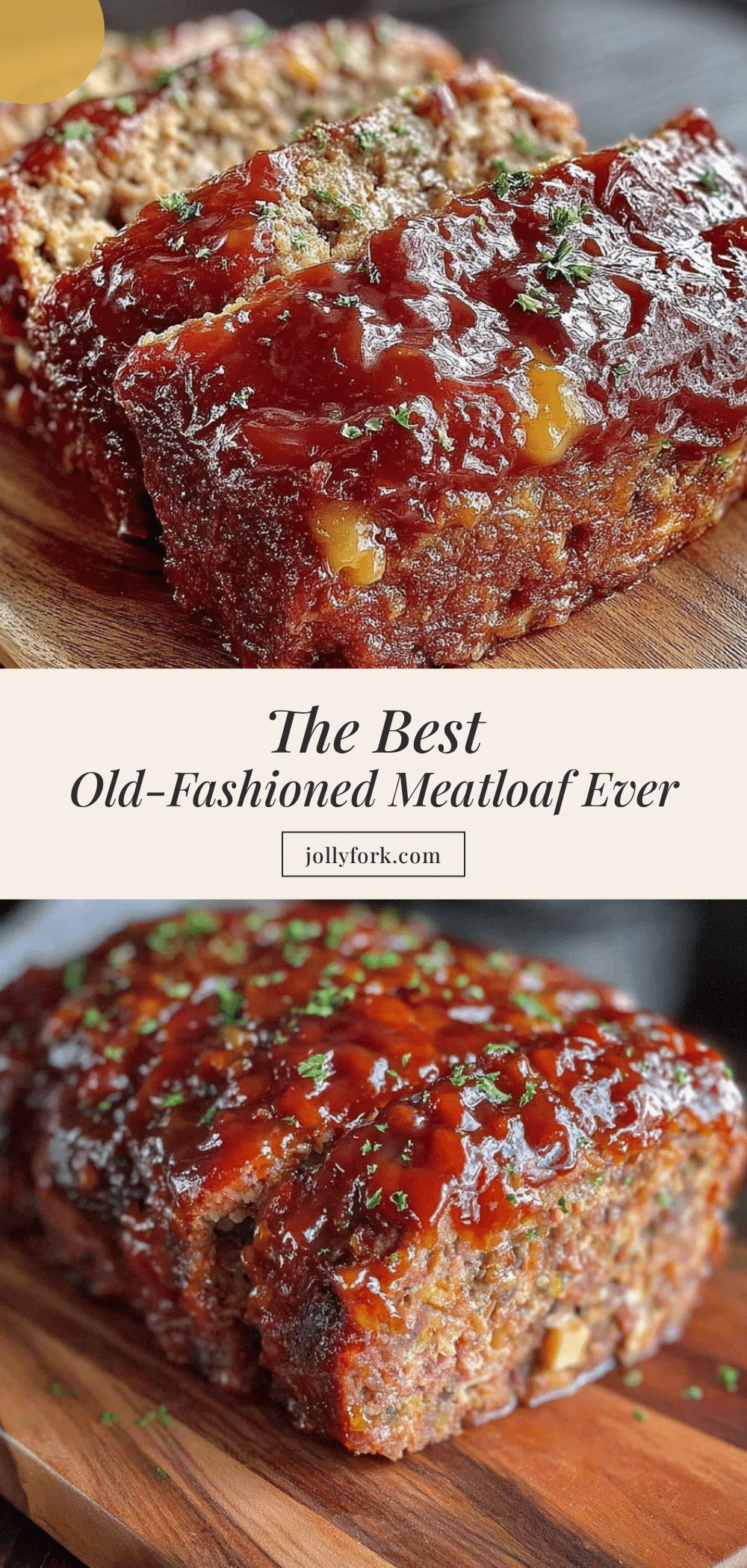
Classic Old-Fashioned Meatloaf with Brown Sugar Glaze
This classic old-fashioned meatloaf with brown sugar glaze is tender, juicy, and topped with a sweet, tangy, caramelized crust. It’s the ultimate comfort food that’s simple enough for a weeknight and special enough for Sunday dinner.
- Prep Time: 15 minutes
- Cook Time: 60 minutes
- Total Time: 1 hour 15 minutes
- Yield: 8 servings 1x
- Category: Main Course
- Cuisine: American
Ingredients
- 2 pounds (900g) ground beef (80/20)
- 1 cup (120g) breadcrumbs
- ½ cup (120ml) milk
- 2 large eggs, lightly beaten
- 1 medium yellow onion, finely chopped (about 1 cup)
- 3 cloves garlic, minced
- ⅓ cup (80ml) ketchup
- 2 tablespoons (30ml) Worcestershire sauce
- 1 tablespoon (15ml) Dijon mustard
- 1 teaspoon dried thyme
- 1 teaspoon smoked paprika
- 1½ teaspoons salt
- ½ teaspoon black pepper, freshly ground
- ½ cup (120ml) ketchup (for glaze)
- ⅓ cup (65g) brown sugar, packed
- 1 tablespoon (15ml) apple cider vinegar
- 1 teaspoon (5ml) Worcestershire sauce (for glaze)
- ½ teaspoon garlic powder
Instructions
- Preheat your oven to 350°F (175°C). Line a 9×5-inch loaf pan with parchment paper, leaving some overhang on the sides. If not using parchment, lightly grease the pan with cooking spray.
- Make the panade: In a large mixing bowl, combine the breadcrumbs and milk. Let it sit for about 5 minutes until the breadcrumbs have absorbed the liquid and turned into a thick, paste-like mixture.
- Sauté the onion (optional but recommended): In a small skillet over medium heat, add a teaspoon of oil. Cook the chopped onion for 3-4 minutes until softened and translucent. Let it cool slightly.
- Mix the meatloaf: To the panade, add the beaten eggs, ketchup, Worcestershire sauce, Dijon mustard, dried thyme, smoked paprika, salt, and pepper. Stir until combined. Then add the ground beef and the sautéed onion (or raw onion). Using your hands, gently mix everything together until just combined. Do not overmix.
- Shape the loaf: Transfer the meat mixture to the prepared loaf pan. Gently press it into an even shape, making sure there are no air pockets. Do not pack it down too firmly.
- Make the glaze: In a small bowl, whisk together the ketchup, packed brown sugar, apple cider vinegar, Worcestershire sauce, and garlic powder until smooth.
- Apply the first layer of glaze: Spread about half of the glaze evenly over the top of the meatloaf. Reserve the rest for later.
- Bake the meatloaf: Place the loaf pan on a baking sheet and bake for 45 minutes at 350°F (175°C).
- Apply the second layer of glaze: After 45 minutes, carefully remove the meatloaf from the oven. Spread the remaining glaze over the top. Return to the oven and bake for another 15-20 minutes, until the internal temperature reaches 160°F (71°C).
- Rest before slicing: Let the meatloaf rest in the pan for 10-15 minutes after removing it from the oven.
- Slice and serve: Use the parchment paper overhang to lift the meatloaf out of the pan. Transfer to a cutting board, slice into thick pieces, and serve with extra glaze spooned over the top if desired.
Notes
Don’t overmix the meat to avoid a dense texture. Use a meat thermometer for perfect doneness. Let the meatloaf rest before slicing to keep it juicy. Line the pan with parchment for easy cleanup. Watch the glaze to prevent burning; tent with foil if needed.
Nutrition
- Serving Size: 1 slice (about 1-inc
- Calories: 400
- Sugar: 12
- Sodium: 650
- Fat: 22
- Saturated Fat: 8
- Carbohydrates: 18
- Fiber: 1
- Protein: 28
Keywords: meatloaf, brown sugar glaze, old-fashioned meatloaf, comfort food, ground beef, easy dinner, family meal