My phone buzzed just as I was about to wind down on a Saturday afternoon. “Can I drop by in 20?” my old college roommate asked. Panic set in. The fridge was mostly bare—except for a handful of vibrant vegetables I’d picked up at the farmers market earlier that week and a bit of leftover puff pastry hiding in the freezer. No fancy proteins or sauces, just fresh, honest ingredients waiting for a purpose.
I rummaged through the kitchen, tossing a few zucchini, cherry tomatoes, and sweet bell peppers onto the counter. Somehow, that patchwork of produce sparked an idea: a fresh seasonal vegetable tart with a flaky golden crust. I wasn’t aiming for perfection—just something quick, comforting, and colorful to pull together before my guest arrived.
As I sliced through the crisp veggies and rolled out the flaky pastry, the kitchen filled with buttery, fragrant smells that calmed my nerves. The tart baked up beautifully, its edges puffing and browning just right. When my friend arrived, the first bite was met with genuine surprise—moist veggies, a tender but crisp crust, and just enough seasoning to make every mouthful sing. Honestly, it felt like a little victory born from chaos.
This recipe stuck with me because it’s proof that you don’t need a stocked pantry or hours of prep to create something delicious. It’s about working with what you have, trusting the flavors of fresh vegetables, and knowing that a flaky golden crust can carry anything. You’ll find yourself reaching for this tart on busy days, or whenever you want a simple, satisfying meal that’s a little special without fuss.
Why You’ll Love This Fresh Seasonal Vegetable Tart Recipe
This recipe has become a go-to for me, and I’m pretty sure it’ll fit right into your kitchen routine too. Here’s why:
- Quick & Easy: Ready in under 45 minutes, perfect for those unexpected guests or when dinner plans fall through.
- Simple Ingredients: Uses fresh, seasonal vegetables and pantry staples you likely already have on hand—no need for extra grocery runs.
- Perfect for Any Occasion: Whether it’s a casual lunch, a light dinner, or a centerpiece at your next brunch, this tart fits the bill.
- Crowd-Pleaser: The flaky golden crust combined with fresh veggie flavors always earns compliments from both picky eaters and grown-ups alike.
- Unbelievably Delicious: The balance of tender vegetables with buttery, crisp pastry is a comfort food win without feeling heavy.
What sets this recipe apart? The crust, honestly. I’ve tested several versions, and rolling out a buttery, flaky dough with just the right thickness makes all the difference. Plus, layering the vegetables in a way that lets their natural juices mingle without sogginess is a trick I learned from trial and error. It’s not just another vegetable tart—it’s my version that nails that perfect texture and flavor balance every time.
Plus, there’s a quiet joy in serving something that feels seasonal and fresh, yet homemade and indulgent. It’s the kind of dish that makes you pause, savor, and feel grateful for simple ingredients and a little kitchen improvisation.
What Ingredients You Will Need
This fresh seasonal vegetable tart recipe celebrates straightforward, wholesome ingredients that come together beautifully without fuss. Most are pantry staples or fresh finds from your local market, making substitutions easy depending on what’s in season or your preference.
- For the Crust:
- 1 sheet frozen puff pastry (thawed) – I prefer Pepperidge Farm for a reliably flaky crust
- 1 tablespoon unsalted butter, melted (for brushing)
- For the Filling:
- 1 medium zucchini, thinly sliced (adds delicate moisture)
- 1 small yellow squash, thinly sliced
- 1 cup cherry tomatoes, halved (fresh and juicy)
- 1 small red bell pepper, thinly sliced
- 1 small red onion, thinly sliced (for a slight sweetness)
- 2 cloves garlic, minced
- 3 ounces goat cheese or ricotta (optional for creaminess)
- 2 teaspoons olive oil
- Salt and freshly ground black pepper, to taste
- Fresh herbs (thyme, basil, or parsley), roughly chopped
- Seasoning & Finishing:
- 1 teaspoon Dijon mustard (for a subtle tang on the crust base)
- Freshly grated Parmesan (optional, for sprinkling)
If you want to swap ingredients, feel free to use eggplant, asparagus, or even thin carrot ribbons. In warmer months, fresh herbs like tarragon or oregano can switch things up nicely. For a dairy-free option, leave out the cheese or use a plant-based alternative.
Equipment Needed
- Baking sheet or tart pan – I usually just use a rimmed baking sheet lined with parchment paper for easy cleanup and rustic edges.
- Rolling pin – helpful to gently roll out the puff pastry if it needs smoothing.
- Sharp knife and cutting board – for slicing vegetables thinly and evenly.
- Mixing bowl – to toss the vegetables with olive oil and seasoning.
- Pastry brush – for brushing melted butter and Dijon mustard over the crust.
If you don’t have a pastry brush, a clean spoon works fine for spreading butter. I’ve also baked this tart on a pizza stone once, which helped the crust get extra crispy, but it’s absolutely not necessary. For budget-friendly options, a silicone baking mat can replace parchment paper and helps prevent sticking.
Preparation Method
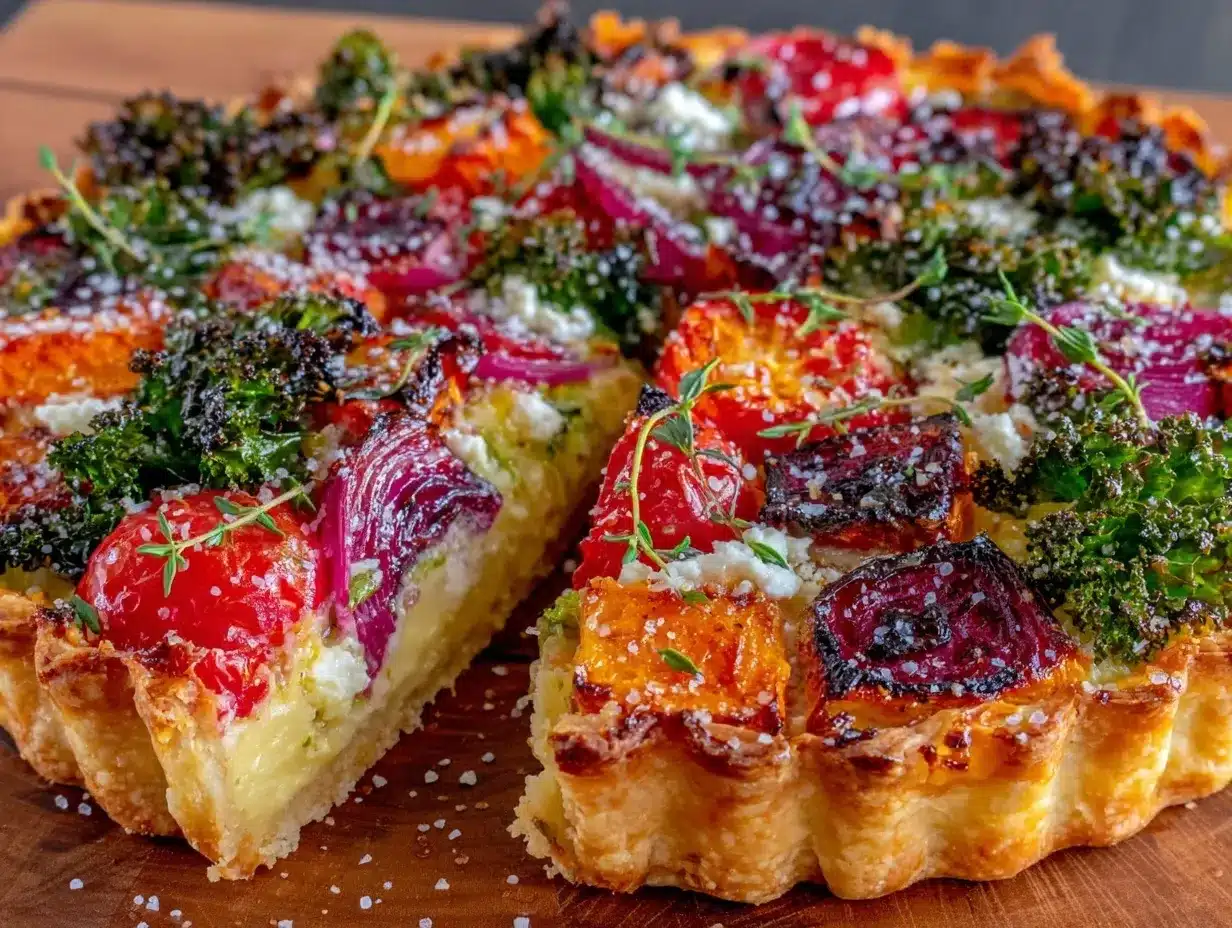
- Preheat your oven to 400°F (200°C). Line a baking sheet with parchment paper.
- Prepare the crust: On a lightly floured surface, gently roll out the thawed puff pastry sheet to smooth any creases, aiming for about a 12×10-inch rectangle. Transfer it carefully to the lined baking sheet.
- Score a border: Using a knife, lightly score about 1-inch from the edges all around the pastry, being careful not to cut through. This helps the edges puff up and create a crust.
- Brush the inside of the border with Dijon mustard, then brush the entire sheet with melted butter. This adds flavor and helps the crust brown beautifully.
- Toss the sliced vegetables in a bowl with olive oil, minced garlic, salt, and pepper. Don’t overdo the oil—just enough to coat so the veggies roast rather than steam.
- Layer the vegetables inside the scored border on the pastry. Arrange them in overlapping rows or a pretty pattern—this part is fun and lets you get creative. Sprinkle dollops of goat cheese or ricotta evenly over the veggies if using.
- Sprinkle chopped herbs and a little Parmesan over the top for extra flavor and a golden finish.
- Bake for 25-30 minutes, until the pastry is puffed and golden, and the vegetables are tender but still vibrant. Keep an eye on it after 20 minutes—every oven is a bit different.
- Remove from oven and let cool slightly on the baking sheet before slicing. This helps the tart set and makes it easier to serve.
Watch for the crust edges puffing up like little pillows and turning a rich golden brown—that’s your cue it’s ready. If the veggies start releasing too much liquid, you can drain some off mid-bake next time, but honestly, a bit of juiciness keeps the tart moist and delicious.
Cooking Tips & Techniques
Working with puff pastry can be a bit intimidating, but a few tricks make it foolproof. Always keep the pastry chilled until you’re ready to use it—that flaky texture depends on cold butter layers. If the dough starts getting too warm and sticky, pop it back in the fridge for 10 minutes before continuing.
Thinly slicing the vegetables is key. They cook more evenly and fit nicely on the tart without toppling off. Using a sharp knife or a mandoline really helps here. I learned the hard way that thick chunks make the tart soggy and unevenly cooked.
Don’t pile the veggies too high—this tart is about balance. Too much filling weighs down the crust and can make it soggy. A modest layer lets the crust crisp and the veggies roast to bring out their natural sweetness.
Timing-wise, prepping the vegetables while the oven heats up speeds things along. And if you want to multitask, try roasting some of the veggies briefly before layering to deepen their flavor, though this step is optional.
Finally, be patient letting the tart cool a bit before slicing. It’s tempting to dig in immediately, but the filling firms up just enough to hold together nicely.
Variations & Adaptations
This vegetable tart is wonderfully flexible, so you can tailor it to your taste or dietary needs.
- Seasonal Swaps: In spring, swap zucchini for asparagus tips and add fresh peas. Autumn calls for roasted butternut squash and caramelized onions instead.
- Cheese-Free: Skip the goat cheese or ricotta for a vegan-friendly tart, and boost flavor with nutritional yeast or a sprinkle of toasted nuts.
- Gluten-Free: Use a pre-made gluten-free puff pastry or make a simple almond flour crust for a grain-free option.
- Different Cooking Methods: If you’re short on oven space, individual tartlets baked in muffin tins work beautifully and make great portable snacks or appetizers.
- Flavor Boost: Add a drizzle of balsamic glaze after baking or sprinkle red pepper flakes for a little heat.
Once, I tried layering thin slices of crispy summer squash from this crispy garlic parmesan roasted summer squash recipe on top for extra crunch—it was a hit! Feel free to experiment with your favorite veggies and herbs to make it truly yours.
Serving & Storage Suggestions
This tart is best served warm or at room temperature, which lets the flavors shine through without being too hot to enjoy. It pairs wonderfully with a crisp green salad or a light soup for a complete meal.
If you’re serving it for brunch or a casual dinner, a chilled glass of Sauvignon Blanc or a fruity iced tea complements the fresh vegetable flavors nicely.
To store, wrap leftover tart tightly in plastic wrap or foil and refrigerate for up to 3 days. Reheat gently in a 350°F (175°C) oven for 10-15 minutes to bring back the crispness—microwaving tends to make the crust soggy.
Freezing is possible if you bake the crust partially first, then cool and freeze before adding veggies. Bake from frozen, adding a few extra minutes. However, fresh is always best to enjoy the flaky golden crust at its peak.
Flavors meld beautifully overnight, so leftovers often taste even better the next day—perfect for a quick lunch or picnic.
Nutritional Information & Benefits
This fresh seasonal vegetable tart is a wholesome dish with balanced nutrition. A typical serving contains approximately:
| Calories | 320 kcal |
|---|---|
| Protein | 8 g |
| Fat | 20 g (mostly from healthy unsaturated fats in olive oil and butter) |
| Carbohydrates | 25 g |
| Fiber | 4 g |
The vegetables deliver vitamins A and C, antioxidants, and fiber, which support digestion and immunity. Using fresh, seasonal produce also means you’re getting peak flavor and nutrients. The puff pastry adds that irresistible texture, but if you want a lighter option, try a whole wheat tart crust or zucchini noodles as a side to keep the meal balanced.
Be mindful of allergens like gluten and dairy if you’re serving guests with restrictions; the recipe can be adjusted easily to accommodate these.
Conclusion
This fresh seasonal vegetable tart with flaky golden crust proves that a little creativity and simple ingredients can turn an unexpected moment into a memorable meal. It’s a recipe that embraces imperfection and celebrates the beauty of fresh veggies wrapped in buttery pastry.
Feel free to customize it with your favorite seasonal produce, herbs, or cheeses—you’ll find it forgiving and endlessly adaptable. I love this tart because it reminds me that sometimes, the best dishes come from what’s on hand, not what’s planned.
Give it a try, share your twists, and let this recipe become a reliable friend when you want something quick, tasty, and just a bit special.
Frequently Asked Questions
Can I make this tart ahead of time?
Yes! You can prepare the tart assembly a few hours before baking. Keep it refrigerated until ready to bake, then add a few extra minutes to the baking time if it’s cold.
What can I use if I don’t have puff pastry?
You can use store-bought pie crust or make a simple savory tart dough. Just note that the texture will be less flaky but still delicious.
How do I prevent the crust from getting soggy?
Scoring the border and brushing it with mustard or egg wash helps create a barrier. Also, avoid piling veggies too thickly and pat vegetables dry if they seem very wet.
Can I freeze the tart after baking?
Yes. Cool completely, wrap tightly, and freeze for up to 2 months. Reheat in the oven to restore crispness.
What herbs work best in this recipe?
Fresh thyme, basil, oregano, and parsley all complement the vegetables well. Use what you have on hand or a mix for layered flavor.
Pin This Recipe!
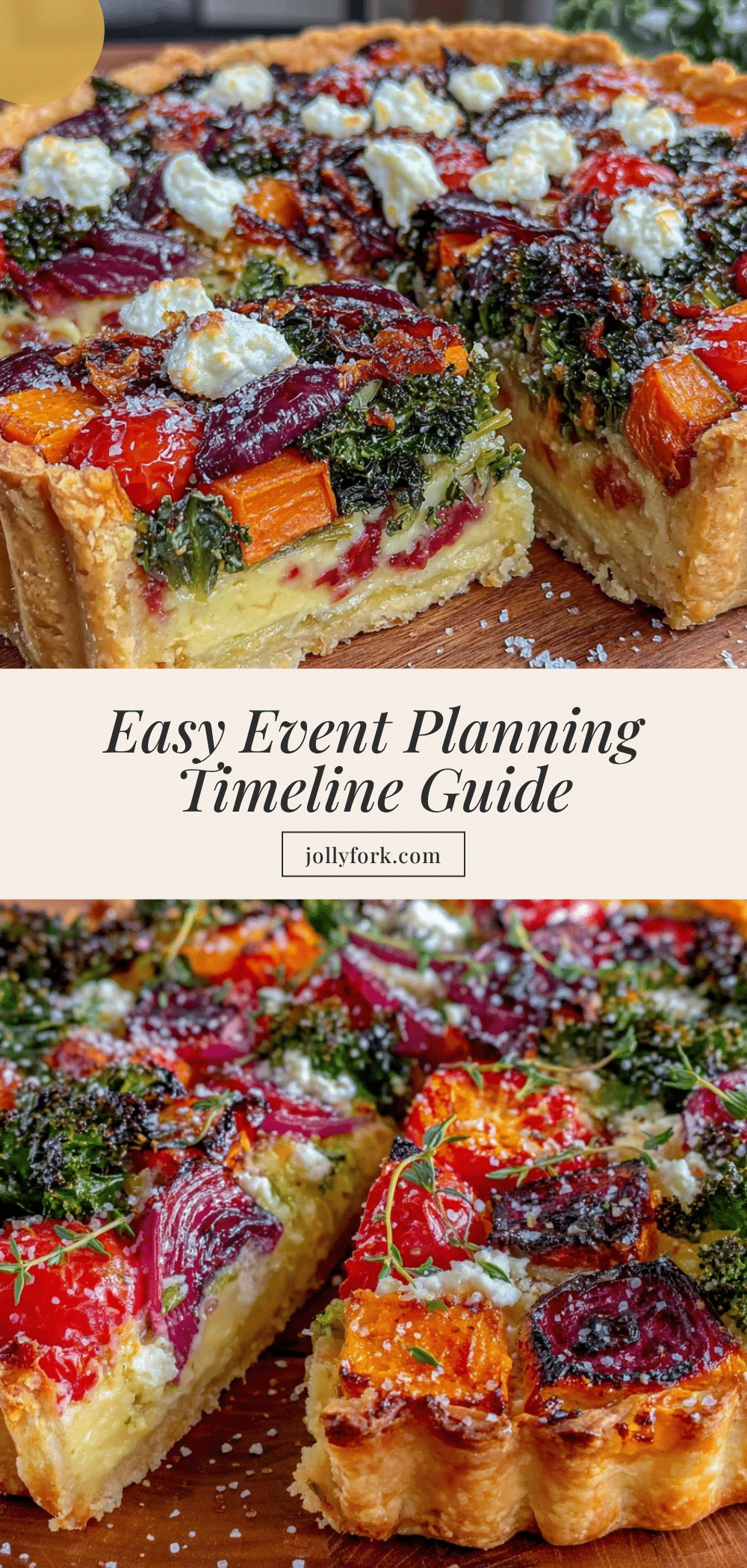
Fresh Seasonal Vegetable Tart
A quick and easy tart featuring fresh, seasonal vegetables on a flaky golden puff pastry crust, perfect for any occasion.
- Prep Time: 15 minutes
- Cook Time: 25-30 minutes
- Total Time: 40-45 minutes
- Yield: 6 servings 1x
- Category: Main Course
- Cuisine: American
Ingredients
- 1 sheet frozen puff pastry (thawed)
- 1 tablespoon unsalted butter, melted (for brushing)
- 1 medium zucchini, thinly sliced
- 1 small yellow squash, thinly sliced
- 1 cup cherry tomatoes, halved
- 1 small red bell pepper, thinly sliced
- 1 small red onion, thinly sliced
- 2 cloves garlic, minced
- 3 ounces goat cheese or ricotta (optional)
- 2 teaspoons olive oil
- Salt and freshly ground black pepper, to taste
- Fresh herbs (thyme, basil, or parsley), roughly chopped
- 1 teaspoon Dijon mustard
- Freshly grated Parmesan (optional)
Instructions
- Preheat your oven to 400°F (200°C). Line a baking sheet with parchment paper.
- On a lightly floured surface, gently roll out the thawed puff pastry sheet to smooth any creases, aiming for about a 12×10-inch rectangle. Transfer it carefully to the lined baking sheet.
- Using a knife, lightly score about 1-inch from the edges all around the pastry, being careful not to cut through.
- Brush the inside of the border with Dijon mustard, then brush the entire sheet with melted butter.
- Toss the sliced vegetables in a bowl with olive oil, minced garlic, salt, and pepper.
- Layer the vegetables inside the scored border on the pastry. Arrange them in overlapping rows or a pattern. Sprinkle dollops of goat cheese or ricotta evenly over the veggies if using.
- Sprinkle chopped herbs and a little Parmesan over the top.
- Bake for 25-30 minutes, until the pastry is puffed and golden, and the vegetables are tender but still vibrant.
- Remove from oven and let cool slightly on the baking sheet before slicing.
Notes
Keep puff pastry chilled until ready to use for best flakiness. Thinly slice vegetables for even cooking and avoid sogginess. Let tart cool slightly before slicing to help it set. Optional to pre-roast vegetables for deeper flavor. Can substitute vegetables and herbs seasonally. For dairy-free, omit cheese or use plant-based alternatives. Gluten-free puff pastry or almond flour crust can be used for gluten-free option.
Nutrition
- Serving Size: 1 slice (1/6 of tart
- Calories: 320
- Fat: 20
- Carbohydrates: 25
- Fiber: 4
- Protein: 8
Keywords: vegetable tart, puff pastry, seasonal vegetables, easy tart recipe, homemade crust, vegetarian, quick dinner